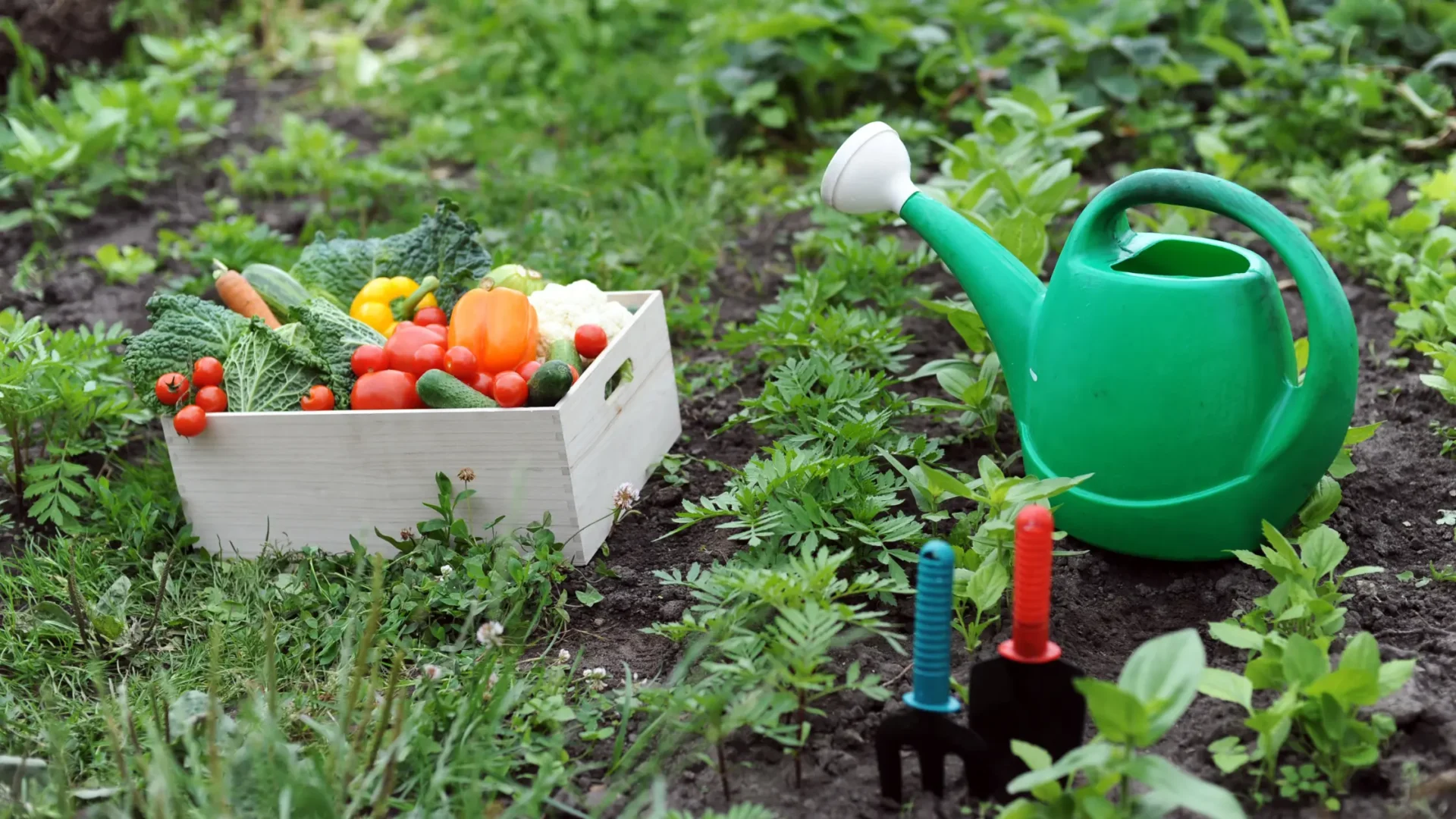

The rains are back in Nairobi, the Rift Valley, western Kenya and the Lake Victoria Basin this week, and every gardening page on the internet is about to tell you the same thing: go buy a sack, some manure, a few seedlings, and grow your own sukuma wiki. That is fine advice if you want vegetables. It is not how you start a kitchen garden business in Kenya, which is the part nobody is writing about.
Quick Answer
You start a kitchen garden business in Kenya by assembling ready-made sack, cone or container gardens (soil, manure, seedlings) and selling them to busy urban households who want fresh vegetables without the setup work. A workable starter batch of 20 kits costs roughly KSh 10,000 to 12,000 in materials, and each kit resells for KSh 800 to 1,200, which covers a Single Business Permit and a modest profit margin from your first delivery round.
Why Is Now the Right Time to Start a Kitchen Garden Business in Kenya?
Kenya Meteorological Department bulletins for the week of July 16 to 20 flagged rainfall across 17 counties, Nairobi, Meru, Kitui and Narok included, with more showers forecast for western Kenya and the Rift Valley through the rest of the month. That is exactly when demand for ready-made kitchen gardens spikes.
People who were putting off planting suddenly have a reason to start, and most of them would rather buy a finished setup than source materials themselves. I check the SokoMix classifieds farm inputs listings every few weeks out of habit, and the pattern repeats every time the rains return: gunny bags and sack garden kits reappear within days, usually posted by the same handful of sellers who clearly restock ahead of the season. That gap between “everyone wants one now” and “almost nobody is selling one ready-made” is the actual business.
What This Business Actually Sells
You are not selling farming. You are selling convenience to someone who already wants a kitchen garden but does not want to source materials, mix soil, or figure out spacing on their own. The product is a finished or near-finished setup, delivered.
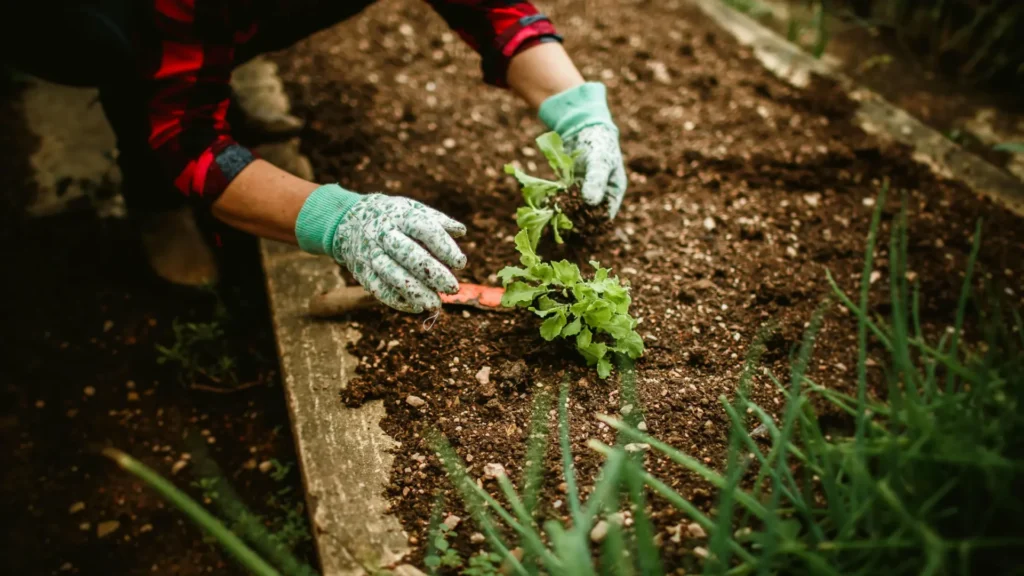
Three formats work well for the Kenyan urban market. A sack garden, a 90kg gunny bag with holes cut for seedlings, is the cheapest and most popular, and it fits on a balcony or a small backyard corner. A cone garden, built from stacked rings, suits someone with a bit more space and money to spend and photographs well for WhatsApp status, which matters more for word of mouth than people admit. A container or tyre garden works for anyone who wants something less messy and more permanent.
Most first-time sellers stick to sack gardens because the materials are cheap, the assembly is fast, and the demand is highest. Branch into cone and container setups once you have a customer base.
How Much Capital Do You Need to Start?
A realistic starting budget for 20 sack garden kits runs KSh 10,000 to 12,000, covering sacks, manure and soil, seedlings, a reusable wheelbarrow, and one-time BRS registration. Materials alone average roughly KSh 360 per kit before those one-time costs.
Gunny bags suitable for sack gardening currently wholesale at KSh 80 to 250 per bag depending on size and fabric quality, with smaller retail quantities going for as low as KSh 30 to 130 on platforms like Jiji. Buying in bulk direct from a manufacturer or wholesaler brings your per-bag cost down closer to the lower end of that range. Well decomposed goat manure sells for roughly KSh 600 to 700 per 90kg gunia, and it is the standard filler for sack gardens because it is drier and less smelly than fresh manure. One gunia stretches across four or five kits once you mix it with topsoil rather than using it neat. Seedlings are the smallest line item if you buy open-pollinated varieties like Kinale sukuma wiki in bulk from a nursery, at roughly KSh 200 per 50g of seed, and germinate them yourself instead of buying seedlings one by one at a premium.
| Item | Cost per kit (KSh) | Notes |
| Gunny bag (sack) | 90 to 130 | Buy in bulk direct from a wholesaler, not single retail bags |
| Manure and topsoil mix | 150 to 180 | One 90kg gunia of manure covers roughly 4 to 5 kits |
| Seedlings | 70 to 100 | Grow from bulk open-pollinated seed rather than buying seedlings per piece |
| Total materials per kit | 310 to 410 | Before delivery, packaging or your labour |
| Wheelbarrow (one-time) | 2,200 | Reusable across every batch |
| BRS registration (one-time) | 950 | Sole proprietorship, done once |
A first batch of 20 kits at roughly KSh 360 average materials cost lands close to KSh 7,200, plus the wheelbarrow and registration, which is where the KSh 10,000 to 12,000 starting figure comes from. That is well within the range a lot of Kenyans already put toward a side hustle, and it lines up with SokoMix’s guide on starting a small business in Kenya with as little as KES 10,000, if you want a broader look at the low-capital playbook this fits into.
Where Do You Source Sacks, Manure and Seedlings Cheaply?
Buy gunny bags direct from a manufacturer or wholesaler rather than a retail shop, since bulk pricing sits far below single-bag retail cost. Source manure from a supplier who can confirm how long it has been decomposing, and grow your own seedlings from bulk seed once you are doing more than one batch a month.
Ask specifically for sisal or jute gunny bags in the 70 to 90kg range, since these hold their shape better once filled and planted than thinner polythene sacks. For manure, go to a supplier who can tell you where it came from and how far along it is in decomposing, not just how much it costs. Fresh, undecomposed manure burns young seedlings and will get you complaints within a week. Manure from livestock-keeping areas like Narok and Kajiado tends to arrive drier and further along in decomposition, which is worth the slightly higher price if you are new to judging quality by sight.
Seedlings are the one input worth growing yourself once you have done more than one or two batches. A seedling tray costs little, takes two to three weeks to produce transplant-ready seedlings, and cuts your per-kit cost roughly in half compared to buying seedlings individually from a nursery every time.
How Do You Price a Ready-Made Kitchen Garden Kit in Kenya?
A ready-made sack garden kit sells for KSh 800 to 1,200 in most Nairobi estates. At a materials cost of roughly KSh 350 to 400 per kit, a KSh 900 selling price gives you close to KSh 500 gross margin before delivery, with the margin coming from convenience rather than a markup on raw materials.
Do not price this like a farming input. Price it like a service. The buyer is paying you to source, mix, fill and deliver something they could technically do themselves but will not, in the same way people pay more for a pre-cut fruit box than for the same fruit whole. Undercutting yourself to compete on raw material cost is the fastest way to make this unprofitable, because your real competition is not another sack seller, it is the buyer’s own laziness, and laziness pays a premium.
Delivery adds real cost once you factor in a boda rider and the mess a full sack makes in transit, so build KSh 100 to 150 per kit into your price for local delivery rather than absorbing it silently and wondering why margins feel thin by month end.
Do You Need to Register This Business?
Yes. Register as a sole proprietorship through the Business Registration Service on eCitizen for KSh 950, then apply for a county Single Business Permit, which runs roughly KSh 5,000 to 10,000 a year in Nairobi and varies by county elsewhere. Skipping registration risks fines from a county askari for the sake of a fee smaller than one delivery run’s profit.
Registering through BRS gives you a business name and, combined with your KRA PIN, lets you operate and eventually sell to buyers who ask for a receipt. After that, the Single Business Permit covers you at county level, and costs vary by business type and scale, ranging from roughly KSh 4,000 up to well over KSh 100,000 for larger operations. County officers do check small traders near markets and estates more often than people expect. Nairobi residents apply through eservices.nairobi.go.ke, and other counties run similar portals or in-person applications at the county offices.
If this grows past a one-person side hustle, SokoMix’s guide to SME grants and funding in Kenya is worth reading once you have a sales track record to show. Register the business name properly from day one either way. It costs less than a single delivery run’s worth of profit, and it means you are not scrambling to formalise things later once an estate management office or a bigger client asks for paperwork you do not have.
Where to Actually Sell Your Kits
Estate WhatsApp groups are where this business actually moves in its first few weeks, because a single photo of a finished sack garden on someone’s balcony does more selling than any flyer. Post in two or three estate or neighbourhood groups you have genuine access to, price clearly in the post, and offer delivery within a defined radius so people are not guessing whether you will actually show up.
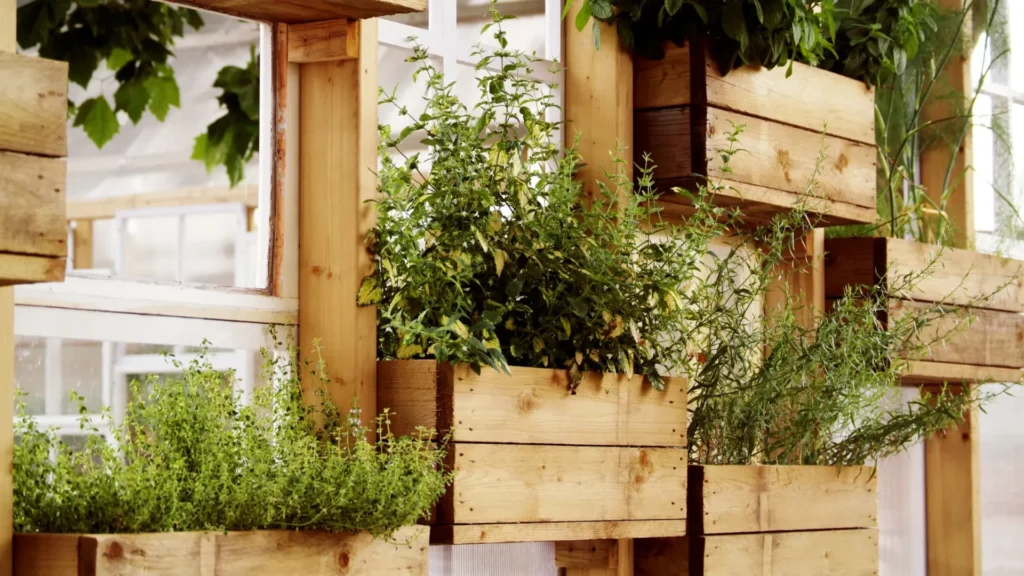
Once you have a few completed sales and photos to show, list your kits on SokoMix classifieds under the farm inputs category, where buyers actively searching for kitchen garden supplies in their area can find you without you having to chase every estate group manually. It is also where you will find other sellers offloading bulk sacks or manure cheaply if your own supplier runs short.
Common Mistakes That Kill This Business Fast
The single biggest mistake is using fresh, undecomposed manure to save money, because it burns the seedlings within days and you lose the customer along with the refund you will probably have to give. The second is overpricing on day one before you know what a specific estate will pay, which kills word of mouth before it starts, since the whole model depends on repeat referrals rather than one-off sales.
The third mistake is treating delivery as an afterthought. A leaking, half-collapsed sack arriving two hours late undoes the entire convenience pitch you are selling on. Plan your delivery radius and timing before you take your first order, not after your first complaint.
FAQ
How much does it cost to start a kitchen garden business in Kenya?
A first batch of 20 sack garden kits costs roughly KSh 10,000 to 12,000, covering materials, a reusable wheelbarrow and BRS registration. Later batches cost less since the wheelbarrow and registration are one-time expenses.
What is the best sack size for a kitchen garden kit?
Sisal or jute gunny bags in the 70 to 90kg range hold their shape best once filled with soil and manure and planted, and they wholesale at roughly KSh 80 to 250 depending on quality and order size.
Do I need farming experience to start this business?
No, but you need to know how to judge decomposed manure by sight and smell, since fresh manure burns seedlings. A few practice batches for family or neighbours before you sell publicly will teach you this fast.
Is a kitchen garden business profitable in Kenya?
Yes, with realistic margins of roughly KSh 400 to 500 per kit once materials and delivery are accounted for, assuming you price for convenience rather than competing on raw material cost.
Do I need a licence to sell kitchen garden kits in Kenya?
You need a sole proprietorship registration through eCitizen BRS (KSh 950) and a county Single Business Permit, which runs roughly KSh 5,000 to 10,000 a year in Nairobi and varies elsewhere.
Where can I buy manure and seedlings in bulk in Kenya?
Source manure from suppliers who can confirm decomposition time rather than the cheapest listing you find, and grow seedlings yourself from bulk open-pollinated seed once you are doing more than one batch a month.
The rains will not last the whole month everywhere, so the window to catch this specific spike in demand is now, not after the next forecast. Register the sole proprietorship, source your first batch of sacks and manure, and put your first kit in front of people who can actually see it. An estate WhatsApp group or a SokoMix listing does that better than anything else at this stage.