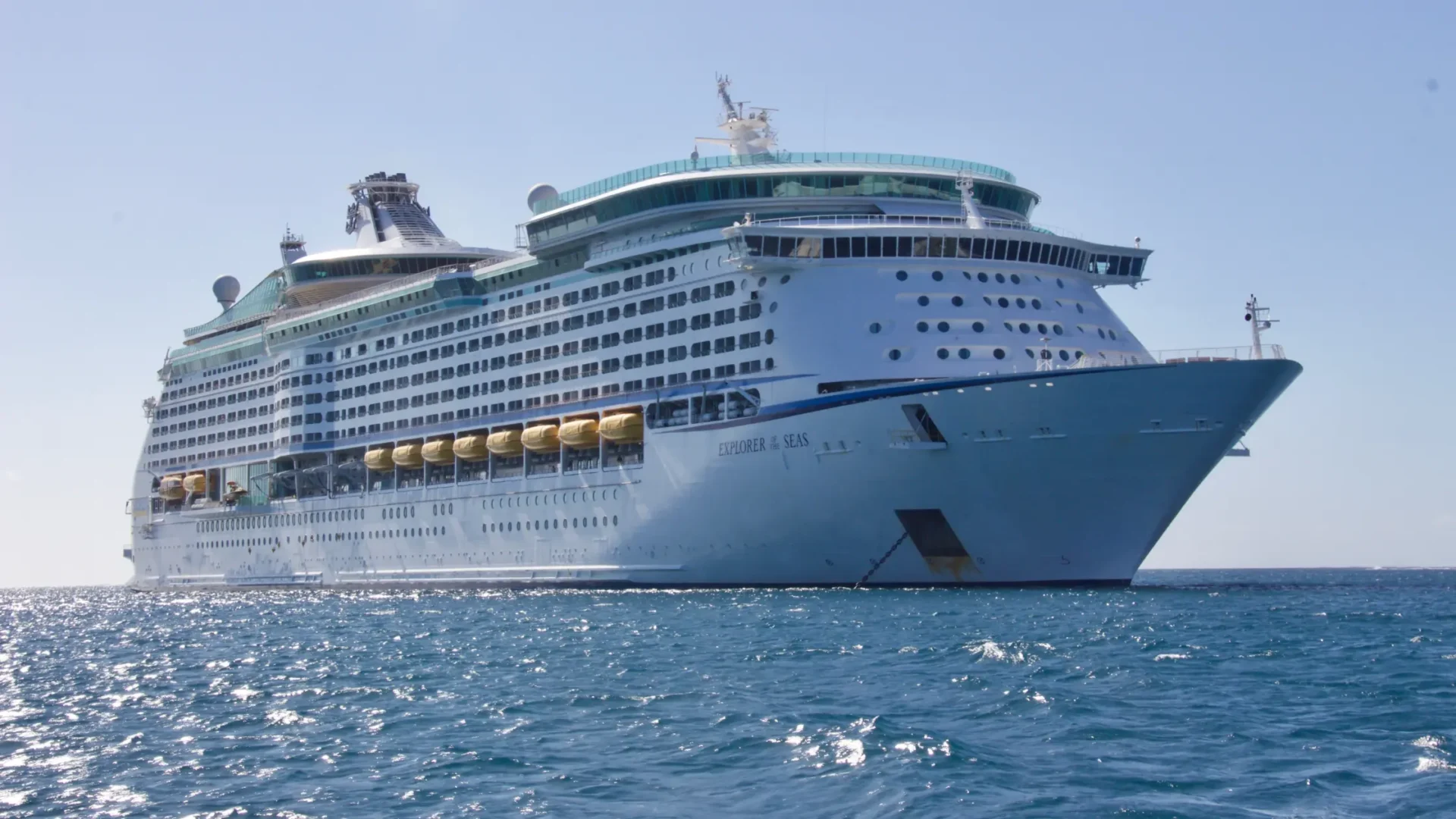

Cruise ship jobs for Kenyans have been all over local news sites this month, with salary screenshots doing the rounds, and it’s easy to see why. A cabin steward with a decent tip pool can out-earn a mid-level office job in Nairobi, and the ship covers your food and bed while you do it. What almost none of that coverage tells you is how a Kenyan actually lands one of these jobs, or how to tell a real recruiter from the kind the National Employment Authority (NEA) was still publicly warning Kenyans against earlier this year.
Quick summary: Getting a cruise ship job from Kenya works in this order. Register on the NEA’s NEAIMS portal and confirm any recruiter’s license before you pay them anything. Complete STCW Basic Safety Training at a Kenya Maritime Authority (KMA) approved school, which runs KSh 15,000 to 25,000. Gather the rest of your seafarer documents, another KSh 20,000 to 40,000, more if your ship calls at US ports. Then apply directly on a cruise line’s careers page or through a verified agency. Budget conservatively: around KSh 38,000 to 55,000 without a US visa requirement, up to KSh 76,000 if you need one, and give the whole process six months to a year and a half from your first STCW class to stepping on board.
What Cruise Ship Jobs Are Realistically Open to Kenyans?
Most Kenyans who get hired land entry-level hospitality roles: cabin steward, waiter or assistant waiter, galley utility, and bar utility. These aren’t deck officer or engineering jobs, which need years at a maritime academy and a completely different certification path. They’re the roles cruise lines hire for in volume, and the ones where housekeeping, hotel, or restaurant experience in Kenya translates almost directly.
A cabin steward cleans and restocks 15 to 20 cabins a day, on a rotation that repeats every single day of the contract. A waiter or assistant waiter works the main dining room and buffet, often both, depending on the shift. Galley utility means kitchen prep and cleaning, no cooking skill required but strict hygiene standards enforced, and it’s usually the fastest route to promotion into an actual cooking role if that’s the direction you want. Bar utility restocks and washes glassware rather than mixing drinks, which makes it easier to break into than an actual bartender position. There’s also Ordinary Seaman (OS), a deck maintenance role, but it needs STCW plus an extra Proficiency in Survival Craft certificate on top, so most first-time Kenyan applicants go hospitality side instead.
Most cruise lines set the minimum age at 21 for these roles, though some, mainly housekeeping and dishwashing, will take 18 to 20 year olds. English fluency actually gets tested on your interview call, not just claimed on a CV, so if yours is shaky, fix that before you apply, not after. Competition for hospitality roles is genuinely global, with a lot of applicants coming out of the Philippines and Indonesia in particular, but that doesn’t shut Kenyans out. It just means your CV and interview need to be sharp, not just your paperwork.
Step 1: Register and Verify Through NEA/NEAIMS, Not Just KMA
Before you spend a single shilling on training, register as a job seeker on NEAIMS (neaims.go.ke) and check that any agency or recruiter you deal with is currently licensed there. This is the step almost every cruise-jobs guide online skips, and it’s the one the Kenyan government requires by law.
Most guides on this topic focus entirely on KMA, the maritime regulator that issues seafarer certificates like STCW and the discharge book. That matters, but it isn’t the whole picture. Under Kenya’s Labour Institutions Act, any agency recruiting or placing Kenyans in work abroad, cruise ships included, must also hold a valid license from the National Employment Authority. KMA covers whether you’re qualified to work at sea. NEA covers whether the person recruiting you is legally allowed to do it. Check both, because they answer different questions, and an agency can be legitimate on one front and not the other.
This isn’t a theoretical risk. As recently as May 2026, NEA publicly flagged an agency called M-Ajira for operating without registration under the Labour Institutions Act, one of several such warnings the authority has issued this year as it runs the government’s wider Kazi Majuu push to move more Kenyans into structured overseas jobs. Working through an unregistered agency isn’t just risky, it also leaves you with essentially no legal recourse if something goes wrong once you’ve paid or signed, since the agency was never operating within the framework that’s supposed to protect you.
To verify a specific agency yourself, search its name on NEA’s employment agency list. It takes two minutes and it’s free. If an agency isn’t listed, or shows as expired, walk away, no matter how convincing the person on the phone sounds.
For the maritime side specifically, KMA also publishes its own list of licensed seafarers’ recruitment and placement companies. Cross-check any agency against both lists before you hand over a single document, and treat a clean result on only one of them as a half answer, not a green light.
Step 2: Get STCW Basic Safety Training
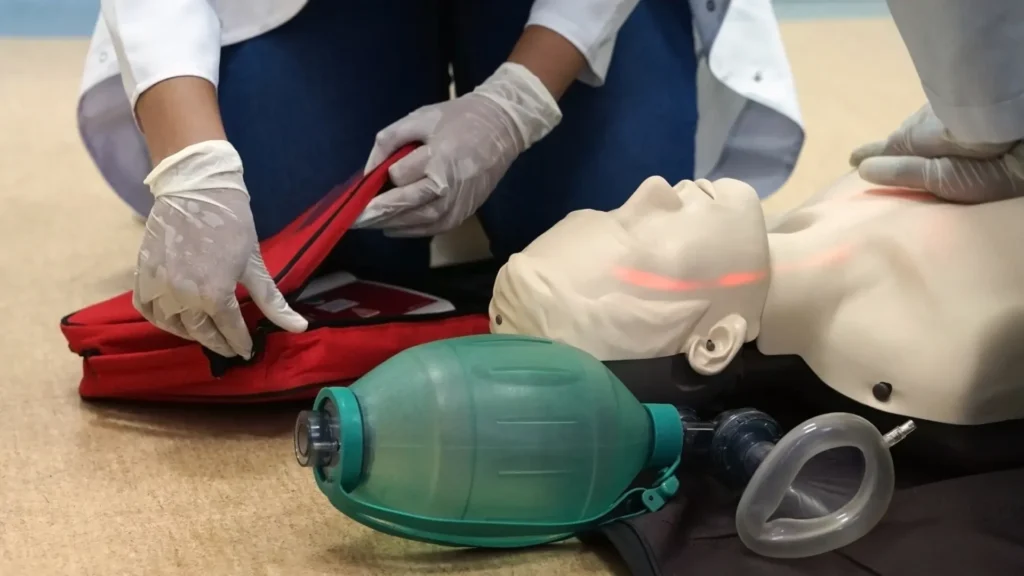
STCW Basic Safety Training is mandatory for every seafarer on earth, hospitality crew included, and no cruise line will move your application forward without it. In Kenya, train only at a KMA-approved school, and confirm that approval directly with KMA rather than taking the school’s word for it.
The course runs four modules: Personal Survival Techniques, Fire Prevention and Fire Fighting, Elementary First Aid, and Personal Safety and Social Responsibility. It takes five to seven days, mixes classroom sessions with practical drills, including basic water survival and firefighting exercises, and costs roughly KSh 15,000 to 25,000 depending on the school. Your certificate stays valid for five years. If anyone tells you it needs annual renewal, that’s a scam pattern worth remembering. Refresher training is only for when your certificate is genuinely about to expire, not every year.
Once you’re working, most seafarers who stay in the industry add further certifications over time, things like Advanced Fire Fighting or Crowd Management, which open up supervisory roles on later contracts. That’s a later-contract concern, not something your first application needs, but it’s worth knowing the entry-level cert isn’t a ceiling.
Step 3: Gather Your Full Document Set and Costs
Missing one document stalls the whole process, so collect everything before you approach any recruiter. Here’s the full list and what each one costs right now.
| Document | Issued By | Cost (KSh) | Validity |
| ePassport (66-page) | eCitizen / Immigration | 12,500 | 10 years |
| STCW BST certificate | KMA-approved school | 15,000 to 25,000 | 5 years |
| Seafarer’s Medical Certificate (ENG 1) | KMA-approved doctor | 8,000 to 15,000 | 2 years |
| Seafarer’s Discharge Book (CDC) | KMA, Mombasa or Nairobi | Free | Ongoing |
| Yellow fever certificate | KEMRI clinic | About 1,500 | 10 years |
| DCI police clearance | eCitizen | 1,050 | 1 year |
| US C1/D crew visa (if applicable) | US Embassy Nairobi | About $160, roughly 20,700 | Per visa |
Total without a US visa runs roughly KSh 38,000 to 55,000. With one, closer to KSh 59,000 to 76,000, since most Caribbean itineraries require it.
One correction worth flagging if you’ve read older guides: eCitizen quietly pulled the cheaper 34-page and 50-page passport options in February 2026. The 66-page “C series” at KSh 12,500 is now your only option, so budget for that figure, not the KSh 4,550 you might still see floating around online.
Sequence matters here more than people expect. Start your passport application first, since it’s the slowest-moving piece if anything goes wrong with it, and it’s a prerequisite for almost everything else on the list, including the discharge book. Book your STCW course once the passport is in motion, not before, since some schools want to see it before enrolling you. The yellow fever certificate and police clearance can happen in parallel with STCW, since neither depends on the other.
If KSh 38,000 to 76,000 feels steep against a Nairobi salary, it often is. A Sacco loan is a realistic way to fund it if you already have savings history with one, since most Saccos lend against your deposit history rather than requiring collateral you don’t have. If you don’t have that history yet, tightening your monthly budget and setting the document costs aside as a fixed monthly target, rather than treating it as one lump sum you’re waiting to stumble into, gets you there faster than it feels like it will.
How Much Do Cruise Ship Workers Actually Earn?
Entry-level cabin stewards and galley staff typically clear $800 to $2,000 a month once gratuities are counted in, roughly KSh 104,000 to 259,000 at current exchange rates, and dining-room waiters with a strong tip pool can push past $3,000. On top of the paycheck, room, food, and uniforms are covered by the ship, so almost the whole amount is either sendable home or savable. Crew who come back with real money usually have a plan for it before they board, whether that is Treasury bills and bonds or buying land near Nairobi once the first contract clears.
| Role | Base pay (USD/month) | With tips (USD/month) | KSh equivalent (with tips) |
| Cabin Steward | 500 to 1,200 | 2,000 to 3,500 | 259,000 to 453,000 |
| Waiter / Assistant Waiter | 800 to 1,500 | 1,500 to 4,000 | 194,000 to 518,000 |
| Galley Utility | 800 to 1,300, fixed, no tip pool | Same as base | 104,000 to 168,000 |
| Bar Utility | Similar band to Galley Utility, no direct tip pool of its own |
Exchange rate used: roughly KSh 130 to the US dollar, as of late July 2026. Check the current rate before doing your own math, since it moves.
For context, Kenya’s gazetted minimum wage for general labour in major cities sits at KSh 16,113.75 a month. Even the lower end of the galley utility range clears that several times over before you count free housing and food. That gap is exactly why these salary posts keep going viral on Kenyan timelines.
Tips are usually pooled and distributed by department rather than handed directly to you by the guest, so your actual take-home depends partly on how the ship performs that sailing, not just your own effort. A quiet Alaska season pays differently from a packed Caribbean one.
Two more things worth being straight about. First, the industry-wide averages you’ll see quoted, some sites cite around $49,000 a year across all roles, get pulled way up by officers, engineers, and department heads. An entry-level Kenyan hire in year one should plan around the ranges in the table, not the headline average. Second, contracts run four to nine months, and while you’re on one, you work most days of the week with limited time off. The pay is compensation for a genuinely demanding schedule, not easy money.
On tax: if you remain a Kenyan tax resident, meaning you keep a permanent home here or spend enough of the year in the country, your worldwide income is technically declarable through iTax, cruise earnings included, with a credit available for tax already paid abroad. Whether that applies to your specific situation depends on how much time you spend in Kenya during the contract cycle, so check KRA’s guidance directly, or talk to a tax professional, rather than assuming either way.

How to Apply and Avoid Scam Recruiters
Apply directly on a cruise line’s own careers page, or through an agency you’ve personally verified as NEA-licensed. Never go through a sub-agent who can’t produce that license on request. Legitimate recruiters do not charge Kenyan seafarers a placement fee, full stop. That’s barred under international maritime labour rules, and any upfront “processing fee” is one of the clearest scam signals in the entire industry.
Real, verifiable channels include the major cruise lines’ own career portals (MSC, Royal Caribbean, Costa, AIDA, and Viking all post openings directly), plus recruitment partners like Kouzon Corporation, which places for Princess Cruises, and Starboard, which recruits specifically for retail positions. Both advertise a free application process with no placement fees, which lines up with the rule above, but don’t take any agency’s word for it, including theirs. Verify current standing on NEAIMS or KMA’s licensed agents list before you share a single document.
Once you’re through to the CV stage, keep it to one page, lead with your STCW certificate number and expiry date rather than burying it at the bottom, and describe your duties specifically. “Cleaned and restocked 18 rooms daily to hotel standard” reads better than “responsible for cleaning,” because a recruiter skimming two hundred applications a week responds to specifics, not job-description language.
The Directorate of Criminal Investigations has also warned that some rogue agents use naive recruits as drug mules, so once you’re at the airport, never carry luggage you didn’t pack yourself, even for someone you trust. It sounds dramatic until you read how often it actually happens.
If you’d rather browse crewing and recruitment posts from agencies and employers directly, the Jobs category on SokoMix’s classifieds section is a good place to start, and it costs nothing to look.
What to Expect: Contracts, Interviews, and the Medical Exam

Your first interview will almost always be a video call, so dress properly, use a plain background, and test your connection half an hour early. If that goes well, a second round sometimes happens in person at a crewing office in Mombasa or Nairobi.
If you get an offer, the cruise line arranges a pre-employment medical exam (PEME) at a designated clinic in Nairobi or Mombasa, and they pay for it, not you. This is separate from your ENG 1 medical certificate and happens later in the process. Contracts typically run four to nine months, and once you’re on board, expect long days with limited time ashore, though most lines give you a break between contracts.
Onboard wifi is usually slow, satellite-based, and not free for crew, so tell your family upfront that you might go quiet for stretches at sea, especially early in a contract before you’ve learned the ship’s routine. It catches a lot of first-timers off guard more than the workload does.
Roughly, here’s how the six-to-eighteen-month timeline breaks down for most Kenyan applicants:
- Weeks 1 to 4: NEA/NEAIMS registration, passport application (start this immediately, it’s the slowest-moving document), STCW school enrollment.
- Weeks 4 to 8: STCW course completed, ENG 1 medical, yellow fever certificate, police clearance, CV built.
- Months 2 to 4: Applications submitted to verified agencies and cruise line career portals, discharge book issued once STCW and ENG 1 are in hand.
- Months 3 to 8: Video interviews, possibly a second in-person round in Mombasa or Nairobi.
- Months 6 to 18: Offer, pre-employment medical exam, visa processing if your ship needs one, then a deployment date.
Applicants who already hold a valid passport and some hospitality experience tend to land on the faster end of that range. Anyone starting from zero, including the passport, should plan for the slower end.
Is a Cruise Ship Job Worth It for a Kenyan Right Now?
The honest comparison: KSh 38,000 to 76,000 upfront and roughly six months to a year and a half of process, against a monthly take-home that can realistically run KSh 100,000 to 450,000 depending on role and tips, plus free housing and food for the length of the contract.
What pushes it one way or the other:
- In favour: free room and board, take-home pay that clears Kenya’s minimum wage several times over even at the low end, real STCW certification that stays useful for future contracts, and a legitimate path if you go through NEA and KMA verified channels.
- Against: a genuine upfront cost most Kenyans don’t have sitting in a bank account, a process that can take well over a year before your first paycheck, a demanding seven-day-a-week schedule while on contract, and a real scam risk if you skip the verification step.
The mistake people keep making in the comments under these salary posts is skipping straight to the dollar figure and forgetting the cost of becoming interview-ready in the first place, or the wait most applicants face before a contract starts at all. If that timeline doesn’t fit right now, there are other legitimate ways to build income without leaving Kenya worth looking at in the meantime.
FAQ
Do I need to know how to swim for a cruise ship job?
Not for most hospitality roles like cabin steward or waiter, though STCW training does include basic water survival drills. Deck department roles like Ordinary Seaman require stronger swimming ability since they involve more hands-on safety work.
What is the minimum age for a cruise ship job from Kenya?
Most major cruise lines set the floor at 21, though some entry-level roles in housekeeping accept applicants from 18. Food and beverage roles that involve serving alcohol are almost always 21 and above.
Can I get a cruise ship job with no prior experience?
Yes, for entry roles like galley utility or cabin steward, though any hospitality, hotel, or housekeeping background in Kenya genuinely helps at interview stage. What you can’t skip is STCW certification and NEA-verified recruitment, experience or not.
Do I pay tax in Kenya on money I earn on a cruise ship?
If you keep your Kenyan tax residency during the contract, cruise ship earnings fall under the worldwide income KRA expects you to declare through iTax, with relief for anything already taxed abroad. Residency status hinges on how many months of the year you spend in Kenya, so confirm your own case against KRA’s rules or a tax professional rather than guessing.
How long is a typical cruise ship contract?
Most first contracts run four to nine months, after which you get a break at home before your next one, if you choose to return. Some lines are shifting toward shorter four to six month contracts.
How do I know if a recruitment agency is actually NEA licensed?
Search the agency’s name directly on NEA’s employment agency list at neaims.go.ke. A legitimate agency shows as currently registered, not expired or absent, and you should be able to independently confirm that yourself rather than trusting a certificate the agency shows you.
Can family visit me while I’m on contract?
It depends on the cruise line and route, and it’s rare during a first contract. Most seafarers wait until they’ve completed at least one full contract before arranging a visit, since crew schedules and port access are tightly controlled.
Register on NEAIMS first. That single step protects you more than anything else on this list. The STCW course, the documents, the application itself, none of it matters if the agency handling your case turns out not to be real.