

If you have KSh 10,000, a smartphone, and a working M-Pesa number, you have enough to start most of the online businesses on this list. That’s not hype. I’ll be honest about which ones need a bit more, and which ones you can launch this week.
The landscape has shifted. Social commerce in 2026 (selling through TikTok, WhatsApp, and Instagram) has overtaken traditional e-commerce websites for small purchases in Kenya. That shift matters for beginners because it means you no longer need a Shopify store or a Jumia seller account to find buyers. A well-run WhatsApp Business profile, consistent TikTok content, and a listing on classifieds platforms like SokoMix can do real work.
Quick Answer: The best online businesses to start in Kenya with under KSh 10,000 include social media management, freelance writing, WhatsApp selling, mitumba reselling, online tutoring, CV writing, TikTok product promotion, virtual assistance, digital product selling, and affiliate marketing. Most need nothing more than a smartphone, internet bundles, and a free Canva account. The fastest to a first payment are CV writing, WhatsApp selling, and online tutoring.
Can You Really Start an Online Business in Kenya for Under KSh 10,000?
Yes, but only if you choose a business with low overhead and avoid buying stock before you have orders. The single most common mistake is overbuying inventory before testing whether anyone in your network will actually pay. Start with KSh 2,000 on a test batch, or get one paying client before spending anything. KSh 10,000 is a serious starting point if you respect it.
Kenya’s digital foundation supports this. There are 23.4 million internet users and over 18.4 million active social media user identities in Kenya as of late 2025, and TikTok alone reaches the equivalent of 78.5% of Kenya’s internet user base (DataReportal Digital 2026). That is a large audience accessible for free.
Here’s a realistic budget breakdown:
| Cost Item | Estimated Range |
| Internet data (first month) | KSh 500–2,000 |
| Basic branding via Canva | Free–KSh 1,500 |
| Product samples or starter stock | KSh 2,000–7,000 |
| Delivery/transport float | KSh 500–2,000 |
| Initial paid promotion (optional) | KSh 0–2,000 |
| SokoMix listing | Free / low-cost promotion later |
The buffer is important. Keep KSh 1,000 untouched for customer refunds, unexpected delivery costs, or a second small test if the first one does not work.
What Makes a Good Online Business for Beginners in Kenya?
The right business for a KSh 10,000 budget ticks most of these: can be run from a phone, accepts M-Pesa, does not need a physical shop, and has demand you can validate cheaply through WhatsApp groups, Facebook communities, or TikTok comment sections.
Service businesses win on the low-capital test because your startup cost is mostly time. Product businesses win on speed to first sale. Which matters more depends on your skills. If you write well or have a teachable skill, start with services. If you have access to good wholesale prices on a specific product, start there.
Either way, avoid businesses requiring expensive equipment, paid ads from day one, or physical premises until you have steady monthly revenue.
15 Online Businesses You Can Start in Kenya with Under KSh 10,000
1. Social Media Management for Small Businesses
Startup cost: KSh 500–3,000
Most Kenyan small businesses (salons, restaurants, boutiques, tour operators, real estate agents, fundis) know they should be posting on Instagram and TikTok consistently. Most don’t, because they’re too busy running the physical business. That gap is your opportunity.

You don’t need a marketing degree. You need Canva, CapCut, a basic content calendar, and the discipline to post consistently. Start by approaching 2–3 businesses in your area and offering one month at a starter rate (KSh 3,000–7,000) to build a portfolio. Three retainer clients at KSh 8,000 a month is KSh 24,000, running entirely from your phone.
Best customers: salons, beauty businesses, restaurants, tour companies, small real estate agencies.
2. Freelance Writing and Blog Content
Startup cost: KSh 500–2,000
Kenyan blogs, startups, and businesses need a constant supply of articles, product descriptions, captions, newsletters, and LinkedIn posts. If you can write clearly and meet deadlines, there is consistent work here.
Start locally before chasing Upwork. Kenyan business owners in Facebook entrepreneur groups, LinkedIn, and WhatsApp communities are easier to reach and often pay faster. Charge per article or per monthly package, and set revision limits upfront to protect your time.
One honest note: this is not a “paid today” business unless you already have a writing sample ready to show. Building a writing client base takes 4–8 weeks of consistent outreach.
3. WhatsApp Selling (Mini Online Shop)
Startup cost: KSh 2,000–10,000
This is the most accessible product business on the list. Set up WhatsApp Business with a clear profile, product photos, price list, and a simple delivery policy. Post on WhatsApp Status every single day. Products that move well in this format: clothes, beauty items, shoes, phone accessories, household items, and perfumes.
The pre-order model removes stock risk entirely. Buyer sends payment, you source and deliver. Once you know what your specific network buys, then you carry small stock.
Trust is the main barrier early on. Around 72% of Kenyan online shoppers still prefer paying on delivery rather than upfront (DHL Kenya – The Trust Factor Powering Kenya’s Online Shopping Boom). Build that trust through consistent posting, fast response, and a clean delivery experience before you ask for upfront M-Pesa.
You can also post your products on SokoMix to reach buyers who are actively searching beyond your contacts.
4. Mitumba Reselling Online
Startup cost: KSh 5,000–10,000
Mitumba is one of the most active product categories on Kenyan TikTok, Instagram, and WhatsApp selling in 2026. The shift from bulk bale buying to curated piece-by-piece online reselling has made it accessible at low capital.
Source from Gikomba (Nairobi), Toi Market, Kongowea (Mombasa), or your nearest local mitumba market. Pick a niche and stay in it: ladies tops, office wear, kids clothes, denim, jackets, or shoes. Niche sellers move stock faster than generalists because regular buyers know exactly what to expect from your page.
Good photos make or break mitumba sales. Natural light, ironed clothes, and a person or mannequin wearing the item. A well-photographed KSh 300 blouse will outsell a poorly lit KSh 200 one almost every time.
5. Online Tutoring
Startup cost: KSh 500–3,000
If you scored well in KCSE subjects, have a vocational skill, or professional expertise in any area, you can teach online. High-demand niches in Kenya right now: KCSE science and maths, English writing, basic computing, Excel, spoken business English, and CV preparation.

You do not need a Zoom subscription. Google Meet is free. Many tutors conduct sessions via WhatsApp video call and their students prefer it. Charge per session, per week, or per term depending on your subject. One good student referral to their parent network can fill your calendar quickly.
6. CV Writing and LinkedIn Profile Optimization
Startup cost: KSh 500–3,000
There are hundreds of thousands of Kenyan job seekers active on LinkedIn, in graduate Facebook groups, and in university WhatsApp chats right now. A large proportion of them have CVs that undersell their actual experience.
Charge KSh 500–3,000 per CV and KSh 1,000–2,500 per LinkedIn profile overhaul depending on the level of work involved. This is one of the few businesses where you can get paid on day one. Post one strong example (a mock-up or one done with permission) in a graduate group and enquiries will come if the quality is clear.
7. Virtual Assistant Services
Startup cost: KSh 1,000–5,000
Coaches, consultants, busy entrepreneurs, and small business owners often need reliable help with tasks they can hand off: email management, data entry, social media scheduling, customer follow-ups, appointment setting, research, and basic bookkeeping.
Virtual assistance works because of reliability, not rare skill. You are being paid to handle things consistently so the client does not have to think about them. Start by pitching in Kenyan entrepreneur Facebook groups, LinkedIn, or through coworking space communities. Rates typically start at KSh 5,000–15,000 per month for a part-time arrangement. See Top Online Jobs in Kenya for more remote service opportunities alongside this one.
8. Digital Product Selling
Startup cost: KSh 0–5,000
You build the product once and sell it repeatedly. That’s the appeal. What sells in the Kenyan market: well-designed CV templates, business plan templates, budget trackers, Canva graphics packs, wedding planning checklists, small business record sheets, and exam study notes.
The mistake is building a generic product. A “CV Template” sitting alongside 500 others on a Facebook post will not move. A “CV Template for Kenyan Finance Graduates” that looks professional, includes a KRA PIN section, and loads correctly on WhatsApp PDF preview, will. The niche is the product.
Sell via WhatsApp, a simple Gumroad page, or in relevant Facebook groups. Keep the delivery instant (PDF on M-Pesa confirmation) so customers never have to wait.
9. TikTok Product Promotion
Startup cost: KSh 500–3,000
TikTok Shop Kenya is officially live, but the majority of successful small Kenyan sellers still combine TikTok reach with WhatsApp orders and M-Pesa payments. It is simpler, and Kenyan buyers still trust a WhatsApp conversation more than an in-app checkout. You can promote your own products, earn commission promoting other sellers’ stock, or charge businesses for sponsored short-form content.
What works: genuine unboxing or “I ordered this and here is what arrived” videos, before-and-after transformations for fashion and beauty, and “market price vs. online price” comparisons. Honesty and value messaging perform well with Kenyan audiences. You do not need a studio. Consistent, well-lit phone videos filmed in natural light will outperform overproduced content.
10. Affiliate Marketing
Startup cost: KSh 0–5,000
You earn a commission when someone buys through your referral link. Accessible programs in Kenya include Truehost and Sasahost web hosting affiliates, the Jumia KOL program, course platform affiliates, and direct commission deals with individual Kenyan sellers.
Be honest about the timeline. The Kenyans making consistent income from affiliate marketing built their platform first, usually over 6–18 months of consistent content. If someone promises you KSh 50,000/month from affiliate links in week one, that is not affiliate marketing. Disclose affiliate relationships to your audience. It is not just good ethics; transparent recommendations convert better because followers trust you more.
11. Phone Accessories Reselling
Startup cost: KSh 5,000–10,000
Phone covers, screen protectors, chargers, earphones, power banks, ring lights, and tripods move fast at good margins if you source at wholesale prices.
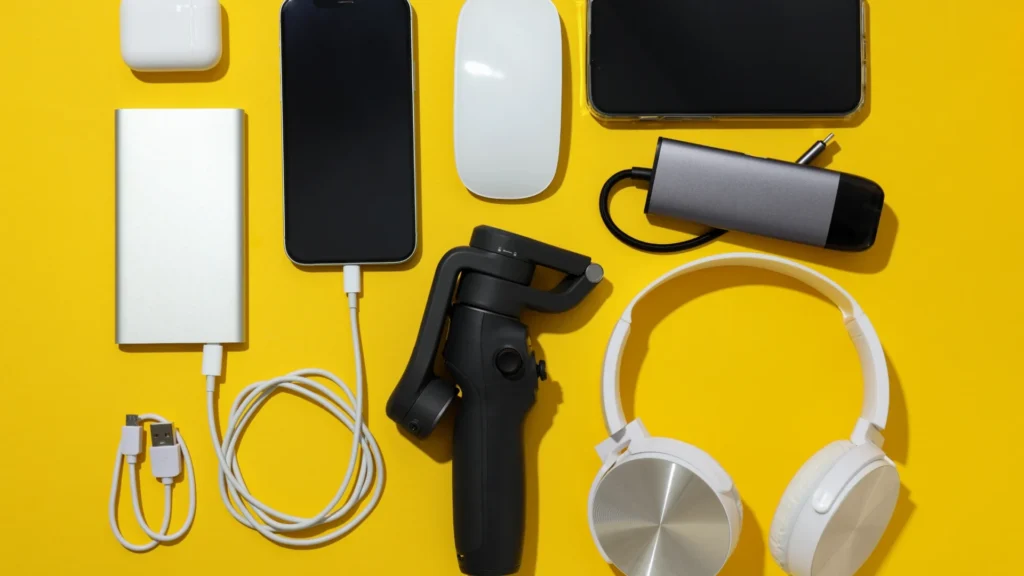
In Nairobi, reliable wholesale sourcing points include OTC Wholesalers Building along River Road, RNG Plaza, and Computer House on Moi Avenue. In Mombasa, Biashara Street carries electronics wholesale. Price for your TikTok and WhatsApp customers who are paying for convenience, not hunting for the absolute lowest price online.
This works particularly well for campus-based sellers, town workers who can hand-deliver during lunch breaks, and anyone with an active tech or student TikTok following.
12. Online Food Pre-Orders
Startup cost: KSh 3,000–10,000
Chapati packs, cakes, packed lunch, mandazi, smoothies, homemade sauces, and meal prep boxes. WhatsApp Status is your shop window. Orders come in before 8 AM, delivery by lunchtime. The pre-order model means you only buy ingredients for confirmed orders, removing the risk of unsold cooked food.
This works well in estates, campuses, and office buildings with a regular crowd. Build a weekly order list and make it easy for repeat customers to send the same order without re-explaining.
If you sell food, follow hygiene practices and check your county government’s food handling requirements. Enforcement is patchy at small scale, but clean preparation protects both your customers and your reputation.
13. Online Thrift Furniture and Household Items Brokerage
Startup cost: KSh 500–3,000
You do not need to own the items. Find people selling used furniture, appliances, electronics, and household items, take good photos, and connect them to buyers for a 10–15% commission on the sale price. A KSh 35,000 sofa deal earns you KSh 3,500–5,250 for taking photos and managing the handover.
Find sellers through estate WhatsApp groups, church communities, and people announcing moves on social media. List items on SokoMix, Facebook Marketplace, and Jiji. The risks are real: sellers who pull the item after you have marketed it, and buyers who waste your time without intent to purchase. Qualify both sides before you invest significant hours in a deal.
14. Beauty, Hair, and Makeup Services
Startup cost: KSh 2,000–10,000
For makeup artists, hairdressers, braiders, and nail technicians, Instagram, TikTok, and WhatsApp Business replace the need for a salon storefront. Before-and-after photos are your most effective marketing. Home appointments and home-based setups cut overhead significantly against renting a chair or salon space.
Post work consistently, respond to DMs fast, and offer bundle deals that photograph well (for example, nails plus lashes). A nail technician in Nairobi with a solid Instagram page and quick response time can book out weekends without stepping into a single salon.
15. Online Errand, Delivery, and Sourcing Service
Startup cost: KSh 1,000–5,000
If you are based in a major market (Nairobi, Mombasa, Kisumu, Nakuru, Eldoret), people outside those cities and in the diaspora will pay you to source specific items and send them. Source from Gikomba, Eastleigh, River Road, or Kongowea for a flat service fee plus actual costs. This also works for diaspora clients sending money home who need someone reliable to buy and send specific items.
Start with people who already know and trust you. Your reputation spreads faster than any ad.
How Do These 15 Businesses Compare?
The fastest first sale, the skill required, and the startup cost all differ significantly. Here is a quick view:
| Business | Startup Cost | Skill Level | Speed to First Sale | Best For |
| Social media management | KSh 500–3,000 | Medium | 2–4 weeks | Creative, organized people |
| Freelance writing | KSh 500–2,000 | Medium-high | 2–6 weeks | Strong writers |
| WhatsApp selling | KSh 2,000–10,000 | Low | 1–2 weeks | Small sellers |
| Mitumba reselling | KSh 5,000–10,000 | Medium | 1–2 weeks | Fashion-minded sellers |
| Online tutoring | KSh 500–3,000 | Medium-high | 1–2 weeks | Students, teachers |
| CV writing | KSh 500–3,000 | Medium | 1–3 days | Good writers |
| Virtual assistance | KSh 1,000–5,000 | Medium | 2–4 weeks | Organized, communicative |
| Digital products | KSh 0–5,000 | Medium | Slow-medium | Designers, creators |
| TikTok promotion | KSh 500–3,000 | Medium | 2–6 weeks | Camera-confident sellers |
| Affiliate marketing | KSh 0–5,000 | Medium | Slow (months) | Audience builders |
| Phone accessories | KSh 5,000–10,000 | Low | 1–2 weeks | Campus, town sellers |
| Food pre-orders | KSh 3,000–10,000 | Low-medium | Under 1 week | Good cooks |
| Furniture brokerage | KSh 500–3,000 | Low | Variable | Deal finders |
| Beauty/hair services | KSh 2,000–10,000 | Specialist | 1–2 weeks | Makeup, hair, nails |
| Errand/sourcing | KSh 1,000–5,000 | Low | 1 week | City-based operators |
Which Business Should You Choose?
The table shows speed and cost, but the right choice depends on your situation, not just the numbers.
| Your Situation | Best Match |
| No stock, but you write well | Freelance writing, CV writing |
| Confident on camera | TikTok promotion, beauty services |
| You have fashion interest | Mitumba reselling, WhatsApp selling |
| You are good at design | Digital products, social media management |
| Large existing WhatsApp network | WhatsApp selling, CV writing, food pre-orders |
| Near a wholesale market | Phone accessories, product sourcing |
| Student or teacher | Online tutoring, CV writing |
| Know local small businesses | Social media management |
| Want zero inventory risk | CV writing, virtual assistance, freelance writing |
How Do You Start an Online Business in Kenya with KSh 10,000?
Choose one idea, validate demand cheaply before spending, and focus on landing one paying customer in the first two weeks before putting money into marketing or stock.
Here is the practical sequence:
- Choose one idea based on your actual skills, your location, and how much time you have each day. Not the most exciting idea, the most realistic one.
- Validate demand first. Check active conversations in WhatsApp groups, Facebook communities, and TikTok comment sections. Look at what is selling on SokoMix classifieds and Jiji. If buyers are already searching for it, the demand is confirmed.
- Create a simple, specific offer. “I write CVs for Kenyan fresh graduates. KSh 800, delivered as a PDF within 24 hours.” One sentence, completely clear.
- Set up WhatsApp Business with your name, service or product description, pricing, M-Pesa payment details, and your location if relevant.
- Make 2–3 marketing materials on Canva. A price list graphic, one example of your work or product, and a brief intro post.
- Post consistently for at least three weeks on WhatsApp Status, in relevant Facebook groups, on TikTok, and on Instagram before drawing any conclusions. Most people give up at week two. That is when the algorithm begins pushing consistent content to new audiences.
- Track what generates actual transactions. Which product gets the most enquiries? Which post gets screenshots or shares? Double down on what converts, not what just gets likes.
When you are ready to formalize, business name registration through the Business Registration Service (BRS) on eCitizen costs KSh 1,060 for a sole proprietorship and is done entirely online (BRS – Doing Business Made Easier). The process takes 2–7 working days and makes it easier to open a business bank account and earn the trust of larger clients.
For more on building your venture from the ground up, read How to Start a Small Business in Kenya with KES 10,000.
How Should You Spend Your First KSh 10,000?
Spread it across essentials, keep a buffer, and resist spending it all on stock before you have confirmed orders.
| Item | Suggested Budget |
| Internet data (first month) | KSh 1,000 |
| Branding on Canva (free tier usually sufficient) | KSh 0–1,500 |
| Product samples or starter inventory | KSh 3,000–6,000 |
| Delivery or transport float | KSh 1,000 |
| Initial boosting or paid promotion (optional, test only) | KSh 1,000–2,000 |
| Buffer (refunds, mistakes, surprises) | KSh 500–1,000 |
The rule that matters most: do not spend all KSh 10,000 on stock before receiving a single order. Sell one piece, reinvest the profit, repeat.
What Mistakes Kill Kenyan Online Businesses Before They Start?
The most common errors are overbuying stock before testing demand, depending only on existing WhatsApp contacts for growth, using poor product photos, mixing personal and business M-Pesa, and not responding to buyer DMs quickly. Most are free to fix if you catch them early.
Overbuying stock is the big one. Spending KSh 8,000 on mitumba bales before knowing what your specific audience wants is one of the fastest ways to lose all your capital. Start with 5–10 pieces maximum.
Relying only on WhatsApp contacts limits your audience to people who already know you. Once your 50 most supportive friends have bought, growth stops unless you reach new people. TikTok, Facebook groups, and listings on SokoMix and Jiji bring in buyers who have never heard of you before.
Poor photos silently kill product businesses. A blurry or dark photo tells buyers they cannot trust the product or the seller. If you cannot photograph something well in your current setup, do not post it yet.
Mixing personal and business M-Pesa creates accounting chaos once sales pick up. Set up a business till number or Paybill, or at minimum track every business transaction in a separate notebook from day one.
Not responding fast is a silent deal killer. In a business built on direct messages, going 8–12 hours without replying to a buyer enquiry usually means a lost sale to someone who responded in 10 minutes.
One more: fake investment schemes. If someone is promising guaranteed daily returns, a high-paying remote job with no interview, or a system requiring an upfront fee to unlock earnings, it is not an online business opportunity. Walk away.
Ready to reach more buyers? Post your products or services as a free ad on SokoMix and get in front of buyers searching for deals, fashion, electronics, services, and local opportunities across Kenya.
Frequently Asked Questions
What online business can I start in Kenya with KSh 10,000?
CV writing, WhatsApp selling, online tutoring, social media management, freelance writing, TikTok product promotion, and mitumba reselling are all practical options under KSh 10,000. Service businesses cost the least to start because you are selling skills, not stock.
Can I start an online business in Kenya without a laptop?
Yes. WhatsApp Business, Canva, TikTok, CapCut, Google Meet, and Google Docs are all mobile-first. Most businesses on this list can be run entirely from a smartphone.
Which online business is best for students in Kenya?
CV writing, online tutoring, social media management, TikTok promotion, and phone accessories reselling work well for students because they need minimal capital, flexible hours, and can run from a hostel room.
How do I get my first customers for an online business in Kenya?
WhatsApp Status, TikTok, Facebook groups, and referrals from your existing network are the fastest free channels. Listing on SokoMix and Jiji adds visibility beyond your contacts. Paid boosting can accelerate things but is not necessary to get started.
Is KSh 10,000 enough to start an online business in Kenya?
For service businesses (CV writing, tutoring, freelance writing, virtual assistance), yes, comfortably. For product businesses it is enough to start small and test. It is not enough to carry significant inventory and you should not try to carry significant inventory before validating demand.
Can I sell online in Kenya without a website?
Completely. WhatsApp Business, TikTok, Instagram, Facebook Marketplace, and SokoMix are all functional storefronts. A website adds professionalism over time but is not a requirement for early revenue.
How do I receive payments for an online business in Kenya?
M-Pesa is standard. Most buyers expect it. A personal M-Pesa number works when starting out. A business till number or Paybill looks more professional as you grow and makes tracking easier.
Where can I advertise my online business in Kenya for free?
SokoMix (free classifieds listing), Jiji, Facebook Marketplace, WhatsApp groups, Instagram, TikTok, and Google Business Profile (if you have a fixed location).
Do I need to register my online business in Kenya?
Not on day one. When you are ready, business name registration through BRS on eCitizen costs KSh 1,060 for a sole proprietorship and is entirely online. It makes opening a business bank account and working with larger clients significantly easier.
What is the safest online business to start in Kenya?
Service businesses carry the least financial risk because there is no inventory. CV writing, tutoring, writing, and virtual assistance require almost no upfront investment. If a client does not materialize, you lose time but not money.
KSh 10,000 is a real starting point, not a headline. Every business on this list works, but only when run with consistency and genuine attention to what customers actually want. None of them require you to quit your job, take out a loan, or buy into a system.
Start with what you already know. Test demand before spending. Look after your first customers extremely well because referrals cost nothing and convert at almost 100%. When you are ready to grow your reach, list your products or services on SokoMix so buyers searching for what you sell can find you directly.
For more on the digital selling landscape in Kenya, read E-Commerce Opportunities in Kenya.