
Plots near Nairobi at KSh 500,000 or below exist. The question is whether what you’re paying for is real land with a clean title or a ghost parcel that a scammer has sold to six other people since Tuesday. Cheap plots near Nairobi are available in places like Ngong, Juja Farm, and Kiserian, but the cheap part gets a lot of people into trouble because the urgency to close a deal pushes them to skip the KSh 500 title search that would have saved their money.
Quick Answer: The cheapest plots near Nairobi are in Ngong (Kimuka and Isinya), where 50×100 ft plots start around KSh 250,000–350,000, and Juja Farm, where prices begin at KSh 500,000. Kiserian, Kitengela, and Ruiru range from KSh 500,000 to KSh 1.3 million. Before paying anything, run a KSh 500 title search on Ardhisasa to confirm the seller is the registered owner and the land has no disputes or encumbrances registered against it.
Which Areas Have Cheap Plots Near Nairobi?
Six corridors consistently come up when buyers are working with a tight budget. They’re all within reasonable commuting or investment distance from the city, and their prices reflect where they are in the development cycle, not necessarily where they’ll be in five years.
| Area | Distance from Nairobi | Price (50×100 ft) | Road Access | Best For |
| Ngong / Kimuka / Isinya | 30–45 km | KSh 250,000–350,000 | Murram / some tarmac | Long-term hold |
| Juja Farm | ~34 km | KSh 500,000–1,000,000 | Tarmac | First-time buyers, building |
| Kiserian | ~30 km | KSh 500,000–1,300,000 | Mixed | Investment, appreciation play |
| Kitengela | ~37 km | KSh 550,000–1,100,000 | Tarmac | Rentals, self-contained town |
| Ruiru / Eastern Bypass | ~25 km | KSh 500,000–700,000 | Good tarmac | Fast capital gains |
| Matuu (Machakos) | ~100 km | Under KSh 200,000 | Murram / improving | Pure speculation, very long hold |
Ngong / Kimuka / Isinya is where the genuinely cheap plots are. Prices in Kimuka and Isinya drop to KSh 250,000 for a 50×100 plot, especially moving away from the tarmac. The area is cooler than Nairobi, scenic, and Kiserian (just south of Ngong) posted 5% price growth in Q1 2025, one of the strongest showings among all Nairobi satellite towns that quarter. The main catch is road access: some plots sit two or three kilometres from the nearest tarmac, which matters a lot if you’re commuting daily.
Juja Farm has attracted a lot of first-time buyers since the Juja Farm Road was tarmacked. At KSh 500,000–1 million for a 50×100, it’s accessible and about 34 km from Nairobi. That road improvement made a real difference. It drove demand and visibility, which is also why the cheaper end of the market is starting to move. Proximity to Kenyatta University gives the area a steady rental market if you’re planning to build eventually.
Kiserian is the better long-term play in this belt. It’s slightly cheaper than Ngong town proper, and the Q1 2025 growth numbers are hard to argue with. If you’re buying to hold rather than build in the next year, Kiserian at KSh 500,000–800,000 looks more interesting than areas with no infrastructure development nearby.
Kitengela is practically a satellite city. You won’t find very cheap plots here. KSh 550,000 is about the floor on a 50×100, but the infrastructure is already built (tarmac, water, electricity) and rental demand from Nairobi workers keeps the market active. If you want to build rather than wait for appreciation, Kitengela makes practical sense.
Ruiru is arguably the best value for someone who needs to stay close to Nairobi. Tatu City, the Eastern Bypass, Kenyatta University, and Brookside Dairy have transformed it into a functioning suburb rather than just a development corridor. Prices start around KSh 500,000 and have been climbing steadily.
Matuu in Machakos County is the outlier. Under KSh 200,000 for a 50×100 plot sounds extraordinary until you factor in the 100 km distance. If you’re buying with a 10-plus-year horizon and don’t plan to build anytime soon, it has speculative merit. If you want to use the land in the next five years, look elsewhere.
What Do “Plots Under 500k” Actually Look Like?
At KSh 500,000 and below, you’re almost always buying in one of two situations: you’re far from major infrastructure (no piped water, no electricity nearby, murram road access), or you’re in an area that’s “developing,” which is Kenyan real estate code for “it will be better here eventually.”
That’s not automatically a bad deal. It just means you should know what you’re getting into.
Size first. A 50×100 ft plot and a 1/8-acre plot are essentially the same thing: 5,000 sq ft versus 4,840 sq ft. The terms get used interchangeably in satellite towns, so don’t let either one throw you off when comparing listings.
Then there’s the raw versus serviced question. A raw plot has no development and often no connected amenities. A serviced plot (usually from a developer) includes graded internal roads, perimeter fencing, and sometimes electricity and water connection points. Serviced plots cost more upfront, but connecting utilities in a remote area yourself can add KSh 50,000–200,000 depending on distance from the nearest line. When a developer advertises “serviced” at below-market prices, ask specifically what is included on that actual site before you believe it.
Most plots under KSh 500,000 are sold through installment plans. A 50% deposit reserves the plot; you clear the rest in 3–6 months. Paying cash in full typically earns a 5–10% discount. Know your number before the seller starts talking, because payment flexibility is one of the main tools developers use to move inventory fast.
How Do You Verify a Plot Is Legitimate?
Every year, Kenyans lose money on land they thought they’d bought legally. In most of those cases, at least one step from this list was skipped. These are not optional extras.
Step 1: Run an Ardhisasa title search (KSh 500)
Go to ardhisasa.lands.go.ke and create an account using your national ID and KRA PIN. Once verified, enter the title deed number from the seller’s document, upload a copy, and pay KSh 500 via M-Pesa or card. The Land Search Certificate comes back within 24–72 hours (usually faster). It confirms the registered owner’s name, the land reference number, the plot size, and any encumbrances, meaning loans, caveats, or active disputes registered against the title.
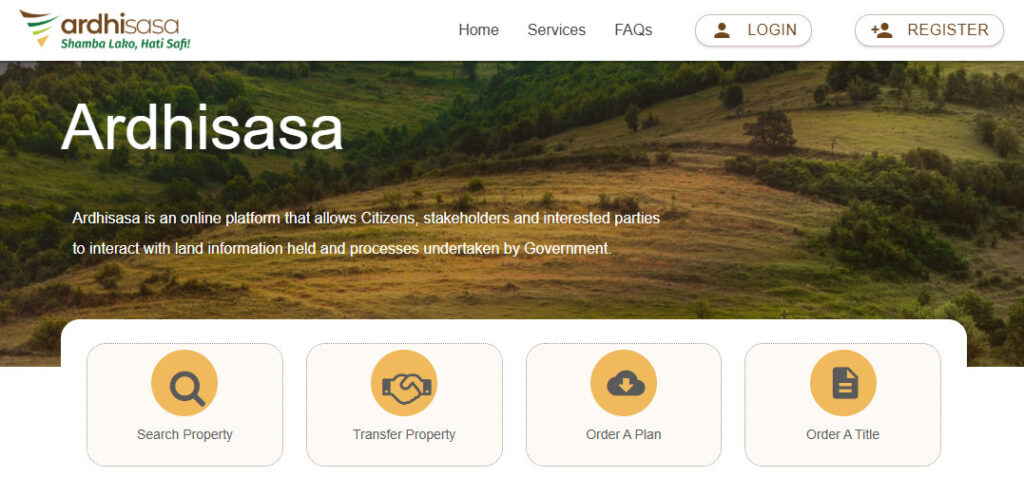
Ardhisasa is fully operational in Nairobi and Murang’a, with Kiambu and Machakos in active rollout. For plots outside those counties, use the eCitizen portal, navigate to Ministry of Lands services, and run the same search. The fee is the same: KSh 500. Processing takes 1–3 working days through eCitizen.
SokoMix has a detailed step-by-step walkthrough: How to Check Land Ownership in Kenya Online.
Step 2: See the original title deed in person
A photocopy tells you nothing. Ask to see the original and confirm the name on it matches the person selling to you. If a broker is managing the sale, insist on meeting the registered owner directly before any money moves.
Step 3: Hire a licensed surveyor
A surveyor visits the plot and confirms the physical beacons on the ground match the official survey diagram from the Ministry of Lands. This is what catches the scenario where the plot in the photos is not the plot in the title. It also confirms the exact size and boundaries before you’re legally committed.
Step 4: Visit the site yourself
Walk it. Talk to the neighbours. Ask how long the seller has owned it and whether there have been any boundary or ownership disputes. Check road access, proximity to water, and whether the location matches what was in the listing. A lot of listings use photos from the best angle, in the best light, and sometimes from a different plot entirely.
Step 5: Use a licensed conveyancing advocate
A conveyancing lawyer typically charges KSh 15,000–30,000 for a basic land transaction in this price range. They review the sale agreement, confirm the title is clean, and ensure the transfer is processed correctly at the registry. That fee is basic risk management, not an optional extra.
This article covers general information on land due diligence in Kenya. For advice specific to your transaction, consult a licensed advocate and a registered surveyor before committing funds.
5 Land Scams Targeting Cheap-Plot Buyers
Land fraud cases have been increasing, with Nairobi, Kiambu, Machakos, and Kajiado among the most affected counties. Cheap plots attract more fraud attempts because buyers are often first-timers who don’t know the verification process, and low prices create urgency that pushes people to skip steps.
These five patterns come up constantly.
1. Ghost plots. The land doesn’t exist. The scammer uses fake photos, forged GPS coordinates, or arranges a visit to someone else’s property entirely. You pay a deposit and they disappear. The red flag is extreme reluctance to allow a surveyor on site, or pressure to pay before any verification has happened.
2. Double-selling. The same parcel gets sold to multiple buyers at once, each with convincing documents. By the time the first legal challenge arrives, the money is gone and you’re in a court queue. In 2023, a syndicate in Thika produced fake title deeds for plots in Murang’a and collected over KSh 420 million from 87 buyers before the DCI made arrests.
3. The distress-sale trap. “The owner needs cash urgently. KSh 250,000 and it’s yours if you pay by Friday.” That pressure is manufactured. A legitimate seller will wait three to five business days for a title search. If they won’t, walk away. A 50×100 plot in Ruiru at KSh 250,000 when the market rate is KSh 500,000-plus is not a bargain. It’s a setup.
4. Unregistered WhatsApp-only brokers. Some brokers have no physical office, no registration with any real estate company, and operate entirely through WhatsApp or Facebook Marketplace. They may be genuine, but if they disappear after you pay, there is no trail and no recourse. Always confirm a broker’s company affiliation and meet them in person.
5. Fake title deeds. High-quality forgeries exist. Some cases have even involved manipulation of land registry records through collusion. The only reliable check is the official Ardhisasa or eCitizen search. The physical document alone is not enough.
The full safe buying process is covered at How to Buy Land Near Nairobi Safely.
How Do You Finance a Cheap Plot in Kenya?

Most buyers at this price point aren’t paying cash in full. These are the realistic options.
Developer installment plans are the most common route for plots under KSh 1 million. You reserve the plot with a 30–50% deposit and clear the balance in 3–12 months. The title deed is processed once you’ve paid in full. Read the terms carefully before you hand over the deposit: some developers charge penalty fees for late installments, and a few will cancel your reservation without refund if you miss a payment deadline. Get the terms in writing.
SACCO loans make sense if you’ve been contributing to a SACCO for at least a year or two. Most SACCO loan rates sit between 12–15% per year, far below commercial bank rates. Your loan ceiling is typically 3x your share balance, so KSh 150,000 in contributions could get you KSh 450,000, enough for Juja Farm or Kiserian territory. Best SACCOs in Kenya for Loans covers the major options and current rates.
Chama pooling is underrated for land. A chama buying a 1/4-acre or 1/2-acre plot together and subdividing later is a well-established model in satellite towns. The legal structure matters: register the title in all members’ names or under a formal company structure, not just the chairperson’s personal name. Using someone’s personal title for chama land is how disputes start.
Bank mortgages for raw land are uncommon. Most Kenyan banks don’t offer mortgages on undeveloped plots at all, and those that do require significantly higher equity than for completed properties. Some products bundle land plus construction, but the process is slow and document-heavy. Best Mortgage Rates in Kenya covers what banks are currently offering if that route applies to you.
Is Buying a Cheap Plot Near Nairobi Actually Worth It?
Yes, if you have patience and do the paperwork properly.
Nairobi’s satellite towns have been outperforming its established suburbs in land price growth since 2023. Kiserian posted 5% appreciation in Q1 2025 alone. Juja Farm moved significantly after the road tarmacking. Kitengela has been a solid performer for over a decade. The pattern is consistent: growth follows infrastructure, and infrastructure is following people who can no longer afford to live in Nairobi itself.
Not all cheap plots appreciate at the same rate, though. A Matuu plot at KSh 200,000 might sit flat for five years before any meaningful movement. A Kiserian plot at KSh 600,000 might be worth KSh 900,000 in three. The difference almost always comes down to road access, proximity to a school or market, and whether there is any infrastructure project heading toward that corridor.
This works well for someone with a 5–10 year investment horizon who wants a foothold in the market without overextending. It works for someone in a SACCO with access to affordable credit and a clear plan. It works for someone building in a growing satellite town for a rental market that already exists there.
It doesn’t work as well for someone who needs to build immediately in a fully serviced area. And it doesn’t work for someone who can’t afford proper due diligence (lawyer, surveyor, and title search) on top of the purchase price. Skipping those costs to make the numbers work almost always costs more later.
For a broader look at how land investment fits into a property strategy, Real Estate Investments in Nairobi walks through the different approaches.
Frequently Asked Questions
Which area has the cheapest plots near Nairobi?
Ngong (specifically Kimuka and Isinya) has the lowest prices in the immediate Nairobi belt, with 50×100 ft plots starting around KSh 250,000–350,000. For something even cheaper, Matuu in Machakos County has plots under KSh 200,000, but at 100 km from Nairobi, it is a purely speculative long-term play.
Can I find a plot for under KSh 500,000 near Nairobi?
Yes. Ngong/Kimuka/Isinya and pockets along the Namanga Road corridor in Kajiado County are where that price range lives. At KSh 500,000 and below, you are usually trading distance or road access for the lower price. The land can still be a solid investment, but expect a longer development horizon.
How do I avoid land scams in Kenya?
The most important step is running an official title search via Ardhisasa (ardhisasa.lands.go.ke) or eCitizen before paying anything. Beyond that: see the original title deed in person, hire a licensed surveyor to confirm the beacons on the ground, visit the site yourself, and use a conveyancing advocate for the actual transaction. If a seller refuses verification or creates urgency, that is your answer.
What is Ardhisasa and how do I use it?
Ardhisasa is Kenya’s official digital land registry, operated by the Ministry of Lands. Register at ardhisasa.lands.go.ke using your national ID and KRA PIN, enter the title deed number, upload a copy, pay KSh 500 via M-Pesa or card, and receive a Land Search Certificate within 24–72 hours. It is currently fully operational in Nairobi, with Kiambu and Machakos in active rollout. For other counties, use the eCitizen portal.
Do I need a lawyer to buy land in Kenya?
You are not legally required to use one. Practically, you should. A conveyancing advocate reviews the sale agreement, confirms the title is clean, and processes the transfer correctly. For a KSh 500,000 transaction, paying KSh 15,000–30,000 in legal fees is cheap insurance against losing the whole amount.
What is the difference between a 50×100 ft plot and a 1/8-acre plot?
They are essentially the same size. A 1/8-acre plot is 4,840 square feet; a 50×100 ft plot is 5,000 square feet. The terms are used interchangeably in most Kenyan satellite-town listings. When you see either, expect roughly the same footprint.
Spend KSh 500 on the Ardhisasa search before you spend anything else. That one step rules out the majority of fraud. From there: surveyor, lawyer, site visit. If the seller makes any of those steps difficult, that tells you everything you need to know.
If you’re actively searching, browse land and property listings on SokoMix from sellers in these areas.