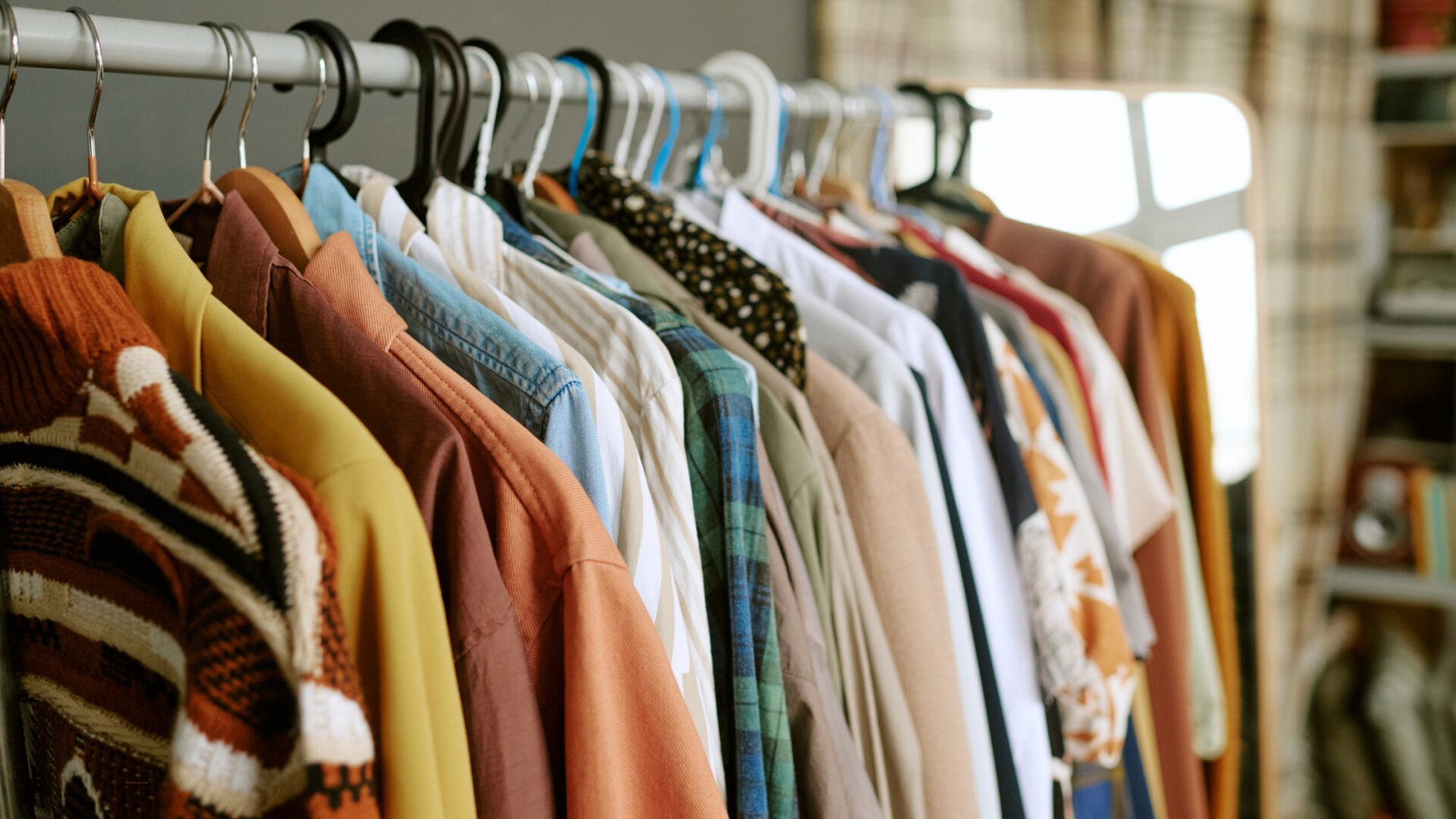

Mitumba is one of Kenya’s most resilient small businesses, and the demand for it does not really disappear when the economy gets rough. If anything, the tighter things get, the more buyers look for affordable quality. Students, stay-at-home parents, campus graduates, and full-time traders have all built real income from this business, some of them starting with just a few thousand shillings and a WhatsApp Status.
Quick Answer: To start a mitumba business in Kenya, choose a clothing niche, decide whether to begin with hand-picked pieces or a bale, find a reliable supplier (Gikomba, Toi Market, Muthurwa, and Kongowea are the main wholesale hubs), price your items to cover all costs and leave a margin, and sell through WhatsApp, TikTok, Instagram, Facebook, and classifieds platforms like SokoMix. Beginners should test demand with selected pieces before spending heavily on bales.
Success here is not primarily about capital. It is about niche selection, stock quality, pricing, consistency, and how well you market. This guide covers everything: capital requirements by entry level, bale grades explained honestly, where to source, step-by-step setup, licences, taxes, and the mistakes that cost beginners the most money.
Got clothes, shoes, bags, or thrift items to sell? Post them on SokoMix and reach buyers looking for affordable deals in Kenya. Post a Fashion Ad on SokoMix
What Is a Mitumba Business?
Mitumba is second-hand clothing, shoes, bags, and fashion items imported into Kenya from countries like the UK, Canada, USA, Australia, and China. Sellers buy these items either as pre-sorted bales from wholesalers or as hand-picked individual pieces from open markets, then resell at a profit.
The business operates at multiple levels: importers who bring full containers from overseas, wholesale traders who sell bales to smaller buyers, retailers selling individual pieces at stalls or boutiques, and home-based or online sellers reaching customers directly through social media. Products range from ladies’ tops, dresses, and jeans to kids’ clothes, men’s shirts, shoes, jackets, bags, and sportswear.
Is Mitumba Business Profitable in Kenya?
Yes, it can be profitable, but not automatically. Profit depends on stock quality, buying price, your niche, pricing, and how quickly items move. Most sellers who lose money started with the wrong bale or a niche they did not understand.
The honest reality is that demand for affordable clothing across Kenya is steady. Buyers at Gikomba and on online platforms are looking for variety, style, and value, not just the lowest price. A well-presented, clearly photographed camera-grade dress on Instagram or SokoMix classifieds can sell at a margin that beats what many people make in formal employment. The risk is buying expensive bales without understanding your market first. Some bales contain damaged items, wrong sizes, or slow-moving stock that becomes dead stock. Start small, learn what your customers actually buy, then scale.
How Much Capital Do You Need to Start a Mitumba Business in Kenya?
A beginner can start with as little as KSh 2,000 by hand-picking individual pieces from a wholesale market. A realistic online or stall setup typically needs between KSh 10,000 and KSh 50,000. Full bales for more experienced sellers range from about KSh 7,000 for basic Grade B mixed stock up to KSh 26,500 or more for premium Grade 1 bales.
These are estimates. Bale prices shift with exchange rates, seasons, stock origin, and supplier. Always confirm current prices before committing.
| Entry Level | Estimated Starting Capital | Best For | Notes |
| Hand-picked pieces | KSh 2,000–10,000 | Beginners testing demand | Lower risk; inspect quality before buying |
| Small online thrift page | KSh 5,000–30,000 | Instagram/TikTok/WhatsApp sellers | Add packaging, delivery, and data costs |
| Market stall or table | KSh 10,000–50,000 | Full-time roadside and market traders | Depends on rent, county fees, and stock size |
| Small bale or shared bale | KSh 20,000–80,000+ | Sellers with some experience | Much better after learning what sells first |
| Boutique-style thrift shop | KSh 50,000–200,000+ | Serious, committed sellers | Includes rent, branding, displays, hangers |
Keep a portion of your capital back for transport, cleaning or steaming, packaging, delivery, and data bundles. Do not spend everything on stock and leave nothing for operations.
Understanding Mitumba Bale Grades: Camera, Grade 1, and Crème
Bale grades directly determine your buying price, your expected profit per bale, and the level of sorting you will have to do. Most beginners who lose money on bales did not understand this.
There are four main grades in the Kenyan market.
- Crème bales (sometimes spelled “creme”) contain brand-new, never-worn clothes, typically from overseas retailers that closed or overproduced. These are the most expensive, sometimes reaching KSh 40,000 per bale, and virtually everything inside is camera quality.
- Grade 1 bales contain lightly worn, high-quality items. Grade 1 bales from the UK, Canada, or Australia generally run between KSh 15,000 and KSh 26,500 depending on the category.
- Grade 2 has visibly worn but acceptable items at lower prices and thinner margins.
- Grade 3 is mostly clearance or low-quality stock.
Within any bale, “camera” refers to the standout individual pieces: the items you photograph, hang at the front, and price as premium. According to a Daily Nation report on mitumba grading, experienced sellers advise that a bale’s camera pieces should return at least 75 to 80 percent of what the bale cost. For a KSh 10,000 bale, that means camera pieces should earn back at least KSh 8,000. Everything else is profit on top.
If you are new, start with Grade 1 hand-picked pieces, not a full bale. You skip the sorting problem entirely and only pay for quality you have already seen.
Best Mitumba Items to Sell in Kenya
Not all categories move at the same speed or margin, and location matters more than most beginner guides admit.
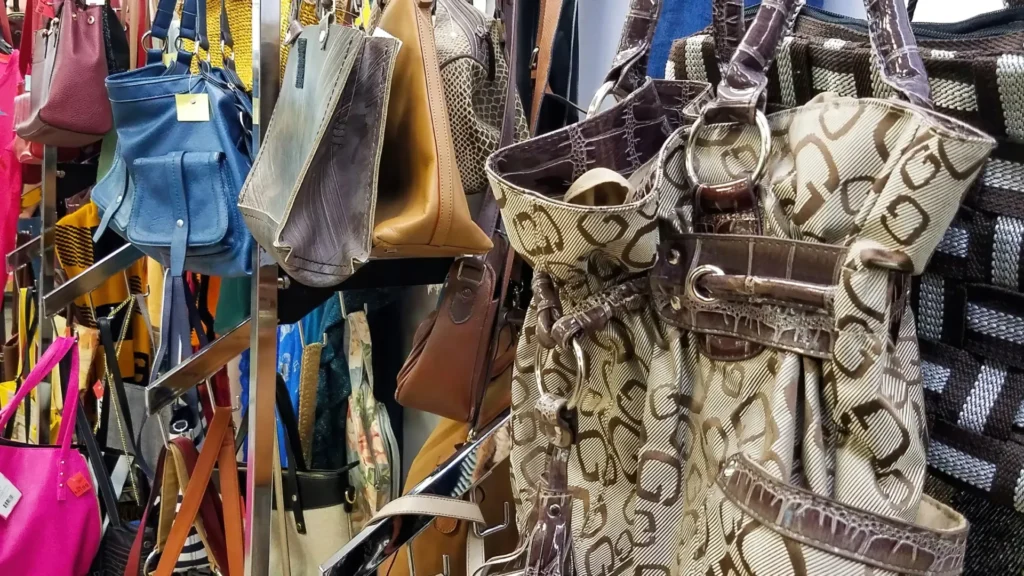
Fast-moving items across most Kenyan markets include ladies’ tops, dresses, jeans, kids’ clothes, sneakers, T-shirts, hoodies and jackets, handbags, and plus-size outfits. These are categories where buyers browse constantly and price sensitivity is high, so turnover is quicker even at thinner margins. Camera-grade branded sneakers, vintage denim jackets, and premium ladies’ dresses carry higher margins but move more slowly and need a more targeted audience.
Seasonality counts. Jackets, trench coats, and hoodies sell well between June and August when Nairobi and the central highlands get cold. Kids’ clothes spike in January and September around school opening. Office wear moves faster in January when graduates are job-hunting and students are heading for attachments. Party dresses and going-out outfits do well near Christmas, New Year’s, and public holidays.
Think about your specific location. A seller near Kenyatta University sells differently from one near offices in Westlands or a residential estate in Mlolongo. The niche that works best depends on who is walking past or searching online in your area.
How to Choose Your Mitumba Niche
Beginners who try to sell every category at once generally end up with inconsistent quality, stock they cannot clear, and no clear audience following. A focused niche makes marketing much simpler because you become the go-to person for that specific thing.
Good starting niches include ladies’ casual fashion (consistently the highest-volume category), kids’ clothes (parents buy repeatedly because children outgrow things fast), shoes and sneakers, office wear, plus-size fashion, baby bundles, denim, and camera or vintage pieces. Consider your customer base, your budget, and honestly, what you enjoy sorting and presenting. A seller who finds kids’ sizing tedious will do better in ladies’ fashion. Choose a niche you can stay consistent in.
Where Do You Buy Mitumba Stock in Kenya?
The main wholesale sourcing hubs in Kenya are Gikomba Market in Nairobi (the country’s largest mitumba wholesale market), Toi Market in Kibera, Muthurwa, and Kongowea Market in Mombasa. Major towns like Kisumu, Eldoret, and Nakuru also have their own established markets.
At Gikomba in 2025, bale prices range from approximately KSh 7,000 for Grade B mixed clothing to around KSh 22,000 for premium jackets or shoes, depending on origin and grade. UK-origin bales tend to cost more and carry better quality. Most bales weigh 45 to 55 kg. Early morning visits, before 8 AM, are when suppliers crack open fresh bales and the best pieces come out first. If you have never been to Gikomba, go once just to watch before you spend a shilling.
Hand-picked pieces suit beginners well because you inspect quality, sizes, and condition before paying. Margin per piece is lower, but so is risk.
Full bales offer higher potential profit but require knowing what grade you are buying and what percentage of that bale will be camera versus average versus dead stock. Never buy a bale from an unknown supplier without seeing it opened and a few pieces inspected first.
Shared bales are an underused entry point. Two or three sellers pool capital, buy one bale together, then sort and split the pieces. It cuts individual risk significantly and works well when everyone agrees upfront on how sorting and selection will work.
Online bale sellers on WhatsApp, TikTok, and Facebook also connect buyers with suppliers, but vet them carefully. Genuine sellers have unpacking videos, real reviews, and will not pressure you to send M-Pesa before you have seen any content.
How to Start a Mitumba Business in Kenya: Step by Step
- Decide your business model. Online-only, market stall, home-based, pop-up, or boutique. Match it to your capital and your available time. A physical stall needs daily presence; an online page can run around other commitments.
- Pick one niche and commit to it. Ladies’ fashion, kids’ wear, shoes, office wear, plus-size, whatever fits your customer base. A seller known for “quality camera dresses” is easier to follow and recommend than someone selling a random mix.
- Research your target customer. Students, office workers, young mothers, plus-size women, or men after casual wear? Customer type affects price point, presentation style, and which platform to prioritize.
- Compare at least two or three suppliers before buying. Ask experienced traders for referrals. Check quality, pricing, and how consistent they are. Do not commit large amounts to a supplier you have only dealt with once.
- Start with manageable stock. Buy less than you think you need for your first batch. Learn what your specific customers want before increasing volume.
- Wash, steam, and iron every item before photographing. This is where most online sellers fall short. A freshly pressed dress on a clean hanger in good light sells. A wrinkled item in a dim photo does not. It takes ten extra minutes per item and makes a visible difference.
- Price correctly. Add up buying cost, transport, cleaning, packaging, stall rent or data costs, and your desired margin. Do not price by copying competitors, since some of them are selling at cost to clear dead stock.
Here is a sample pricing framework (figures are illustrative; actual prices vary by quality, location, and demand):
| Item | Buying Cost | Extra Costs | Selling Price | Approx. Profit |
| Ladies’ top | KSh 150 | KSh 30 | KSh 300 | KSh 120 |
| Dress | KSh 350 | KSh 50 | KSh 700 | KSh 300 |
| Jeans | KSh 400 | KSh 70 | KSh 800 | KSh 330 |
| Kids’ outfit | KSh 200 | KSh 30 | KSh 450 | KSh 220 |
- List on multiple selling channels. Offline: market stall, roadside display, pop-up, door-to-door, campus or estate selling. Online: WhatsApp Status, TikTok, Instagram, Facebook Marketplace, and SokoMix classifieds. No single channel should be your only source of sales.
- Market every day, not once a week. Post new arrivals consistently. Show prices and sizes clearly in every post. Styling videos and bundle deals generate more engagement than static product shots alone. If you are not posting, you are not selling.
- Track every sale and reinvest a fixed percentage. Keep a simple notebook or a spreadsheet. Record what sold, what did not, and where every shilling went. Separate your business money from your personal money from day one. This habit is what separates sellers who grow from those who stay stuck. You can find more startup guidance in the SokoMix article on how to start a small business in Kenya with KES 10,000 if you are working with a tight initial budget.
Should You Start Online or With a Physical Stall?
For a beginner with limited capital, starting online almost always makes more sense. It costs less, lets you test what sells before committing to rent and permits, and puts you in front of buyers who are already searching.
| Option | Advantages | Challenges | Best For |
| Online-only | Lower cost, flexible, easy to test | Needs good photos, trust-building, delivery coordination | Beginners and side-hustlers |
| Physical stall | Walk-in traffic, easier to build buyer trust | Rent, permits, daily presence, location risk | Full-time, committed sellers |
| Hybrid | More sales channels, stronger brand | More stock management and consistency required | Growing sellers with some savings |
The practical path for most people: start online or with a small home display, understand your bestsellers, build a loyal customer base, then move to a stall or boutique when you have savings and a clear enough niche to justify the overhead.
How to Sell Mitumba Online in Kenya
Online selling has changed how mitumba works. TikTok Live bale unboxings, Instagram reels of new arrivals, and WhatsApp broadcast lists have helped small sellers reach customers well beyond their immediate location. The mechanics are the same across platforms, but execution matters a lot.
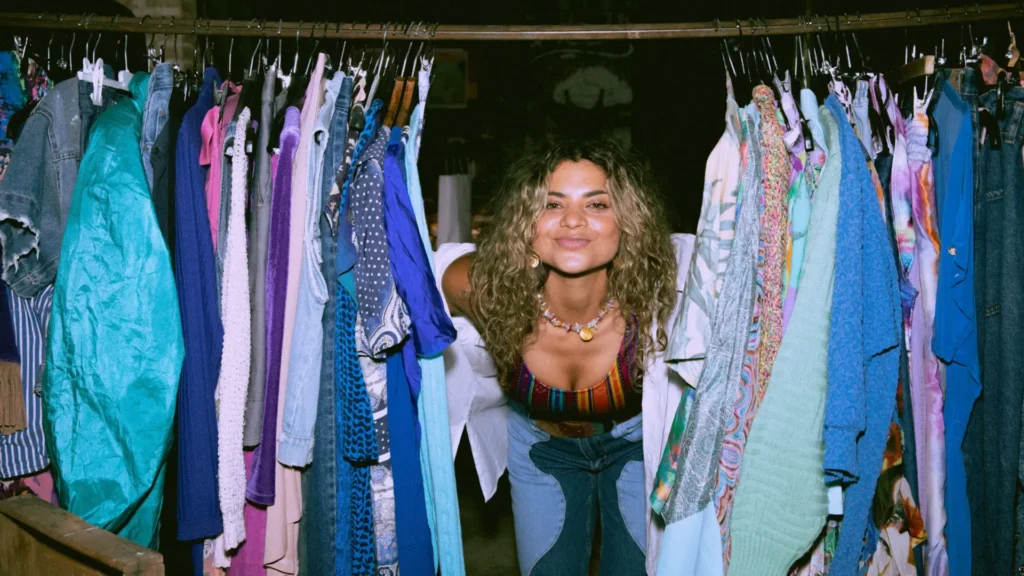
The sellers who consistently convert have clear photos taken in natural daylight, show the front, back, and a close-up of each item, include specific sizes and measurements rather than vague “fits medium” descriptions, state the price in the caption, and mention the condition honestly. Buyers message the sellers who make it easy. Everyone else gets scrolled past.
Use multiple platforms at once. WhatsApp Status for your existing contacts, TikTok for organic discovery, Instagram for a curated feed, Facebook Marketplace for local buyers, and SokoMix to reach people who are specifically searching for fashion items and second-hand clothes in Kenya rather than passively scrolling. Listing on SokoMix classifieds puts your items in front of active searchers, which converts better than hoping someone sees your post in a crowded social feed. Learn more about online opportunities for Kenyan sellers in the e-commerce opportunities in Kenya overview on SokoMix.
Sell beyond WhatsApp and Instagram. List your fashion items on SokoMix so more buyers can discover your products by category and location. List Your Clothes on SokoMix
Do You Need a License or Permit to Sell Mitumba in Kenya?
If you operate a physical shop, stall, or dedicated trading space, you need a county single business permit from your county government. Requirements, fees, and enforcement vary by county, so check directly with your county’s licensing offices or their website rather than relying on second-hand information.
If you sell casually from home or online at micro scale, your requirements depend on how the business is structured and your county’s current approach. That said, once the business is growing, registering a business name through the Business Registration Service at eCitizen opens up business bank accounts, formal supplier agreements, and access to certain financing. You will need a National ID and a KRA PIN to start the registration process.
Common documents for a formalised operation: National ID, KRA PIN, a registered business name from BRS, and a county single business permit for any physical trading space. Sellers importing their own bales also need additional customs documentation, but most small traders buy from local wholesalers and do not handle import logistics themselves.
What Are the Tax Obligations for Mitumba Sellers?
Keep basic records of your sales and expenses from the start, even before you reach any formal threshold. Once your gross annual sales exceed KSh 1 million, you fall under Kenya’s Turnover Tax regime.
According to KRA’s official Turnover Tax guidance, TOT applies to businesses with gross turnover between KES 1 million and KES 25 million per year. The current rate is 1.5% on gross monthly sales, payable by the 20th of the following month. It is a final tax: if you qualify, you do not file monthly VAT returns or an annual income tax return under the standard regime.
VAT registration currently becomes mandatory at a KES 5 million annual turnover threshold. Note that as of early 2026, KRA has put forward proposals to remove this threshold entirely, which would affect small traders if passed into law. These discussions are ongoing, and the rules can change. Confirm the current position with KRA or a tax professional as your business grows. The SokoMix article on how to file KRA returns online in Kenya walks through the iTax process step by step if you need it.
Common Mistakes That Kill Mitumba Businesses
Most beginners who lose money make predictable errors. Knowing them in advance is most of the defence.
Buying a bale before understanding the market is the single most common one. You spend KSh 25,000 on a Grade 2 bale and discover that half the items are wrong sizes for your customers, a quarter are damaged, and the rest sit for weeks because nobody in your customer base wants that category. Start with hand-picked pieces, learn what your customers actually want, then step up to bales.
Poor photography kills online sellers. A blurry image against a cluttered bedroom background will not convert, regardless of how good the piece is. Photograph near a window in the morning, use a clean neutral background, and show the label or size where visible. It is not complicated, and sellers who do it well consistently outsell those who do not.
Other common errors: overpricing slow-moving stock instead of clearing it quickly, mixing personal and business money from the start (which makes it impossible to know if you are actually profitable), depending on one platform for all sales, lying about sizes or condition (this kills repeat business fast), and ignoring customers who have questions or complaints.
How to Grow a Mitumba Business
The path from side hustle to real income is usually through one niche done well, not more and more categories. Build a recognizable name around your category. If you become known as the place for quality plus-size camera dresses in Nairobi, or the go-to for clean kids’ clothes in Kisumu, that reputation drives repeat buyers and referrals better than any marketing spend.
Practical growth steps: build a WhatsApp catalogue, post consistently on TikTok and Instagram, offer delivery within your town (partner with boda riders or G4S courier), introduce bundle deals for slow-moving items, expand to selling at offices, campuses, churches, salons, and estates, and use SokoMix classifieds to generate additional visibility beyond your social channels. Add adjacent items like belts, bags, and accessories once you have the core niche working.
Pros and Cons of a Mitumba Business
| Pros | Cons |
| Can start with relatively low capital | Bale stock quality is unpredictable |
| High and consistent demand across Kenya | Competition is strong, especially online |
| Flexible, can run as a side hustle | Requires daily marketing to keep moving stock |
| Wide variety of niches to choose from | Some items move slowly and become dead stock |
| Easy to sell online without a physical shop | Pricing requires experience to get right consistently |
| Can grow into a boutique or wholesale operation | Bales can contain damaged or unsellable pieces |
Final Checklist Before You Start
- Choose one niche and define your target customer
- Visit at least two or three suppliers before committing
- Decide your starting capital and hold back operating funds
- Buy your first batch of hand-picked pieces, not a bale
- Wash, iron, and photograph every item properly
- Set prices that cover all costs and include a clear margin
- List items on WhatsApp, TikTok, Instagram, and SokoMix
- Open a separate mobile money or bank account for the business
- Get a county single business permit if opening a physical stall
- Register on eCitizen/BRS when ready to formalise
- Track every sale and reinvest a fixed percentage from the start
FAQs
How much do I need to start a mitumba business in Kenya?
A beginner can start with as little as KSh 2,000 by hand-picking pieces from Gikomba or a local wholesale market. A more sustainable online or stall setup generally needs KSh 10,000 to KSh 50,000. The actual amount depends on your niche, location, and whether you sell online, at a stall, or from home.
Is mitumba business profitable in Kenya?
Yes, it can be. Profit depends on stock quality, buying price, niche demand, pricing, and how quickly items sell. Sellers who start small, learn their market, and invest in presentation tend to do significantly better than those who jump straight to expensive bales without knowing their customers.
Where do I buy mitumba clothes for resale in Kenya?
The main wholesale hubs are Gikomba Market (Nairobi), Toi Market (Kibera), Muthurwa (Nairobi), and Kongowea (Mombasa). You can also buy from bale suppliers online on WhatsApp, TikTok, and Facebook, but vet them carefully. Stick to sellers with unpacking videos and genuine reviews.
Should I start with a bale or hand-picked pieces?
Hand-picked pieces are safer for beginners. You inspect quality and sizes before paying, avoid dead stock, and learn what your customers actually want before committing to a full bale.
Do I need a business permit to sell mitumba in Kenya?
If you operate a physical shop or stall, you likely need a county single business permit. Requirements and fees vary by county, so confirm directly with your county government. Online home-based selling at micro scale has different requirements, though registering via BRS/eCitizen is worth doing as the business grows.
Can I sell mitumba online in Kenya?
Yes, and it is one of the fastest-growing channels. TikTok, Instagram, WhatsApp, Facebook Marketplace, and classifieds platforms like SokoMix all work. Use clear photos, include sizes and prices in every post, and list across multiple platforms for better reach.
What mitumba items sell fastest in Kenya?
Ladies’ tops, dresses, jeans, kids’ clothes, sneakers, office shirts, and jackets during cold months are consistently fast-moving. Camera-grade branded sneakers and vintage pieces return better margins but move more slowly and need a more targeted audience.
How do I avoid losing money on mitumba?
Start with hand-picked pieces, choose one focused niche, inspect stock carefully before buying, keep clear sales records, clear slow-moving items early rather than holding them, and never spend all your capital on stock with nothing left for day-to-day costs.
Mitumba rewards sellers who are consistent and realistic about what the first few months look like. The first batch is mostly for learning: which items move in your area, at what price, on which platform, and for which customer. Once you know that, buying better stock and growing the business gets much more straightforward.
Ready to start selling? Post your clothes, shoes, bags, and fashion items on SokoMix classifieds and reach buyers across Kenya searching for affordable deals.