Physical Address
Nairobi, Kenya, 00100
Physical Address
Nairobi, Kenya, 00100

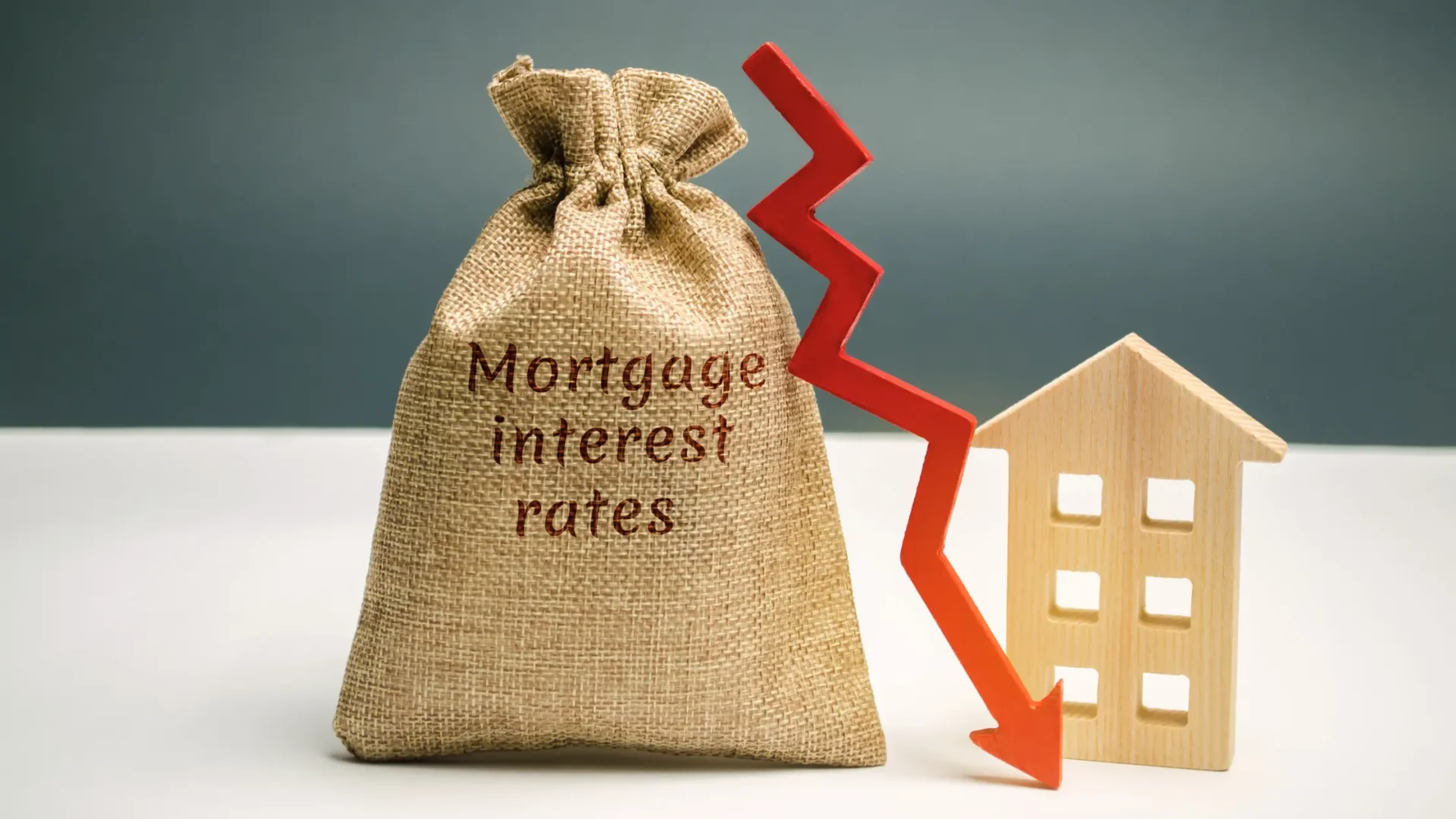
Compare the best mortgage rates in Kenya (8.99%-18%), learn how to apply, calculate monthly payments, and use our step-by-step guide to secure the best home loan deal in 2026.
TL;DR (Quick Summary)
As of February 2026, mortgage rates in Kenya range from 8.99% to 18% per annum depending on the bank, product type, and borrower profile. The Central Bank Rate (CBR) stands at 9% following nine consecutive rate cuts, signaling improved lending conditions. Top offers include Stanbic Bank’s limited-time 8.99% fixed rate (ending Feb 15, 2026), Standard Chartered’s rates from 12.2%, and KCB’s CBR-linked products (typically 12-16%). Banks require 10-15% deposits (85-90% LTV), stable income, clear credit history via CRB, and comprehensive documentation. This guide provides current rate comparisons, application requirements, eligibility tips, and cost calculators to help you secure the best mortgage deal.
Owning a home in Kenya has never been more attainable, thanks to favorable monetary policy and increasing competition among lenders. With the Central Bank of Kenya reducing the CBR to 9% in December 2025 (the ninth consecutive rate cut since April 2024) mortgage rates have become significantly more competitive, making 2026 an opportune time for homebuyers.
However, navigating Kenya’s mortgage market can be overwhelming. Interest rates vary widely: from promotional rates as low as 8.99% to standard rates exceeding 17%. Hidden fees, complex terms, and varying eligibility requirements make it difficult to compare offers effectively.
This comprehensive guide provides everything you need to make an informed decision:
Whether you’re a first-time buyer, self-employed professional, or Kenyan diaspora member, this guide will help you secure the best mortgage deal for 2026.
Understanding how mortgage rates are determined helps you negotiate better terms and choose the right product. Here are the key factors driving mortgage pricing in 2026:
Quick Answer: The CBR, currently at 9%, is the foundation for all mortgage pricing in Kenya.
The Central Bank Rate serves as the benchmark for all lending. In December 2025, the Monetary Policy Committee reduced the CBR to 9% from 9.25%, marking nine consecutive cuts since April 2024 when rates peaked at 13%. This downward trend reflects:
Most variable-rate mortgages are priced as CBR + margin (typically 3-8 percentage points). With CBR at 9%, variable mortgages now start around 12-17% depending on the lender’s risk premium and your borrower profile. The nine-month easing cycle has already translated into lower mortgage costs, with some banks passing on savings immediately.
The Central Bank also introduced KESONIA (Kenya Shilling Overnight Interbank Average) in September 2025 as an alternative benchmark, further modernizing Kenya’s lending framework and improving rate transparency.
Banks add risk premiums based on several factors:
Loan-to-Value (LTV) Ratio: – Higher LTV (above 85%) means more risk for the bank, resulting in higher rates – Borrowers who provide 20-30% deposits typically qualify for rates 0.5-1% lower – Some banks offer up to 105% LTV (covering property purchase + fees) but at premium rates – Sweet spot: 80-85% LTV balances affordability with favorable rates
Loan Tenure: – Longer repayment periods (20-25 years) reduce monthly payments but increase total interest paid – Shorter tenures (10-15 years) mean higher monthly payments but lower overall costs and often better rates – Example: KSh 5M at 14% over 15 years = KSh 66,000/month vs. 25 years = KSh 60,000/month (but KSh 6.8M more in total interest)
Fixed vs. Variable Rates: – Fixed-rate mortgages lock in your rate for a set period (often 1-5 years), protecting against future rate increases but typically starting 0.5-2% higher than variable rates – Variable rates change with CBR movements—currently favorable (CBR at historic lows) but subject to future adjustments – Hybrid products offer 2-3 years fixed, then switch to variable—balancing certainty with flexibility

Your CRB score and debt-to-income ratio determine not just eligibility, but also your interest rate.
Your creditworthiness significantly impacts both eligibility and rates. Banks check your CRB report (accessible via *433# or through Metropol or TransUnion) for:
Debt-to-Income (DTI) Ratio is equally critical. Banks typically cap mortgage repayments at 40-50% of your net monthly income. If your salary is KSh 150,000 net, your maximum mortgage payment would be KSh 60,000-75,000.
Employment Type Matters: – Salaried employees with permanent contracts, especially those on check-off systems (direct salary deduction), receive preferential rates – Self-employed borrowers face higher scrutiny and often higher rates (0.5-2% premium) or larger deposit requirements (20-30%) – Contract workers must show consistent income over 2-3 years – Kenyan diaspora may access special products but need residence permits and remittance proof.
Mortgage rates in Kenya for February 2026 range from 8.99% (Stanbic Bank promotional rate, ending Feb 15) to 18% depending on the lender and borrower profile. Standard Chartered offers competitive rates from 12.2%, KCB provides CBR-linked mortgages (typically 12-16%), NCBA ranges from 15-18%, Equity Bank offers 14-16%, and Absa has select promotions from 9.5%. Most banks offer 85-90% LTV with tenures up to 25 years.
Below is a comprehensive comparison of current mortgage rates from Kenya’s major lenders. All rates were verified in February 2026. Always confirm current rates directly with banks as they change frequently.
| Bank | Product | Rate (p.a.) | Tenure | Max LTV | Key Notes | Date Checked |
| Stanbic Bank | Limited-Time Fixed Rate | 8.99% | Up to 25 yrs | Up to 105% | Promotional rate ending Feb 15, 2026 | Feb 2026 |
| Standard Chartered | Home Purchase Loan | From 12.2% | Up to 25 yrs | Up to 100% | Variable rate, non-residents eligible | Feb 2026 |
| KCB Bank | Home Loan | 12-16% (CBR+margin) | Up to 25 yrs | Up to 90% | KMRC affordable options ~9% available | Feb 2026 |
| NCBA Bank | Mortgage Loan | 15-18% | Up to 25 yrs | Up to 105% | Diverse products, strong for salaried | Feb 2026 |
| Equity Bank | Home Loan | 14-16% | Up to 20 yrs | Up to 90% | Check-off perks for civil servants | Feb 2026 |
| Absa Bank | Home Loan | From 9.5% (select) | Up to 25 yrs | Up to 90% | Standard ~14.6%, promotions on specific properties | Feb 2026 |
| Housing Finance | Specialized Mortgage | Competitive (varies) | Up to 25 yrs | Up to 90% | Residential mortgage specialist | Feb 2026 |
| Stanbic (Standard) | Regular Variable Rate | 12-16% | Up to 25 yrs | 85-90% | Post-promotion standard rates | Feb 2026 |
Sources: Central Bank of Kenya commercial lending rates (December 2025), individual bank product pages, BuyRentKenya market analysis, and direct bank verification (February 2026).
IMPORTANT: Rates shown are indicative and subject to change. Promotional rates like Stanbic’s 8.99% have specific eligibility criteria and limited availability (ending February 15, 2026). Always verify current rates directly with your bank before applying.
Rate (p.a.): Annual percentage rate. Variable rates change with CBR; fixed rates lock in for a set period. Always ask for the APR (Annual Percentage Rate) which includes all fees, not just the nominal rate.
Tenure: Maximum repayment period offered. Longer tenures = lower monthly payments but significantly higher total interest paid over the loan term.
Max LTV (Loan-to-Value): Percentage of property value the bank will finance. 90% LTV means you need a 10% deposit. Higher LTV often means higher rates due to increased lender risk.
APR vs. Nominal Rate: The nominal rate is the base interest rate advertised (e.g., 12%). APR includes arrangement fees, insurance, and other costs, giving you the true cost of borrowing. A 12% nominal rate might have a 14% APR once all fees are included.
CBR-Linked Products: Many banks price mortgages as CBR + margin (e.g., CBR 9% + 4% margin = 13% total). These rates adjust automatically when the Monetary Policy Committee changes CBR every two months.
Don’t just compare headline rates. Here’s what separates a good deal from a great one:
Quick Answer: Two 13% mortgages can have vastly different total costs once fees are included—always request the APR.
Two mortgages with the same nominal rate (e.g., 13%) can have vastly different total costs once you factor in:
Always request a full breakdown showing the Annual Percentage Rate (APR), which includes all costs. A 12% nominal rate with high fees might end up more expensive than a 13% rate with minimal fees.
Variable Rate Mortgages: – Track CBR movements (currently favorable with CBR at 9%) – Monthly payments change when CBR changes (usually every 2 months) – Lower starting rates than fixed products – Best for: Borrowers who can afford higher payments if rates rise, or those planning to refinance within 3-5 years – Risk: If CBR rises back to 12-13%, your payments increase significantly
Fixed Rate Mortgages: – Lock your rate for 1-5 years (sometimes longer) – Provides payment certainty and budgeting clarity – Usually starts 0.5-2% higher than variable rates – Best for: Risk-averse buyers, first-time homeowners, or those expecting CBR to rise – Current Opportunity: Stanbic’s 8.99% fixed offer (ending Feb 15, 2026) is exceptional value
Hybrid Products: – 2-3 years fixed, then automatically switch to variable – Balances initial payment certainty with long-term flexibility – Growing in popularity among Kenyan lenders
Beyond the advertised rate, budget for these unavoidable costs:
Upfront Fees (One-Time): – Arrangement fee: 1% of loan (minimum KSh 10,000-50,000) – Valuation fees: KSh 30,000-100,000 depending on property value – Legal fees: KSh 50,000-200,000+ (includes conveyancing, title transfer, registration) – Stamp duty: 4% (urban areas) or 2% (rural) of property value—paid to KRA – Mortgage registration: KSh 500-2,000
Ongoing Costs (Annual/Monthly): – Mortgage protection insurance: Life cover equal to outstanding loan balance – Property insurance: Full replacement value of the property – Service fees: Some banks charge monthly account maintenance fees (KSh 500-2,000)
For a KSh 5 million mortgage on an urban property: – Arrangement fee: KSh 50,000 – Valuation: KSh 50,000 – Legal fees: KSh 75,000 – Stamp duty: KSh 200,000 (4% of KSh 5M) – Insurance (first year): KSh 30,000 – Total upfront costs: ~KSh 405,000 (8% of loan amount)
This is why you need savings beyond your deposit.
Quick Answer: Larger deposits qualify you for lower rates and reduce monthly payments—aim for 80-85% LTV if possible.
LTV Example for KSh 10 million property:
90% LTV (KSh 9M loan, KSh 1M deposit): – Interest rate: 14% (higher risk for bank) – Monthly payment: ~KSh 124,000 over 20 years – Total interest paid: KSh 20.7 million
80% LTV (KSh 8M loan, KSh 2M deposit): – Interest rate: 13% (lower risk = better rate) – Monthly payment: ~KSh 105,000 over 20 years – Total interest paid: KSh 17.2 million – Savings: KSh 19,000/month + KSh 3.5M total
A larger deposit: – Reduces your loan amount – Often qualifies you for rates 0.5-1% lower (banks reward lower-risk borrowers) – Saves thousands monthly and millions over the loan term – Reduces your DTI ratio, making approval easier
Quick Answer: Always clarify prepayment terms before signing—some banks charge 1-3% to pay off early.
Always clarify prepayment terms in writing before signing. Key questions to ask:
Best Practice: Negotiate prepayment flexibility upfront, especially if you expect salary increases, bonuses, or windfall income (e.g., inheritance, business sale) that could accelerate repayment.
Some banks waive prepayment penalties after 3-5 years, while others charge throughout the entire term. Read the fine print and get written confirmation.
Quick Answer: Use a mortgage calculator to estimate monthly payments and total interest across different rates and tenures before applying.

While SokoMix offers an interactive mortgage calculator, you can estimate payments using this formula:
Monthly Payment = P × [r(1+r)^n] / [(1+r)^n – 1]
Where: – P = Principal (loan amount) – r = Monthly interest rate (annual rate ÷ 12) – n = Total number of months (years × 12)
Or use online calculators from KCB, Standard Chartered, NCBA, or SokoMix.
Scenario 1 — Best Case (Cheapest Rate): Use Stanbic’s 8.99% or Standard Chartered’s 12.2% to see your lowest possible monthly payment. This shows what’s achievable with excellent credit and maximum negotiation.
Scenario 2 — Average Market Rate: Use 14% (current market average for most borrowers) as a realistic baseline. This represents what most Kenyans with stable employment and clean CRB actually qualify for.
Scenario 3 — High-Rate Stress Test: Use 16-17% to ensure you can afford payments even if: – Rates rise unexpectedly – Your application receives a higher quote due to DTI or credit issues – Variable rates increase after 2-3 years
| Interest Rate | Monthly Payment | Total Repaid | Total Interest | Interest as % of Principal |
| 8.99% (Stanbic promo) | KSh 45,500 | KSh 10.9M | KSh 5.9M | 118% |
| 12% | KSh 55,100 | KSh 13.2M | KSh 8.2M | 164% |
| 14% (market avg) | KSh 69,000 | KSh 16.6M | KSh 11.6M | 232% |
| 17% (high stress) | KSh 83,000 | KSh 19.9M | KSh 14.9M | 298% |
Key Insights: – A 5% rate difference (12% vs. 17%) costs you an extra KSh 27,900/month and KSh 6.7 million over 20 years – At 17%, you pay almost 3x the original loan amount in interest alone – This is why shopping around and negotiating matters tremendously
Quick Answer: Mortgage application takes 4-12 weeks from pre-approval to disbursement—gather all documents upfront to avoid delays.
For Salaried Employees:
1. Identification & Tax:
2. Income Verification:
3. Credit & Financial:
4. Property Documents:
For Self-Employed/Business Owners:
All of the above PLUS:
For Kenyan Diaspora:
All standard documents PLUS:
Note: Lenders may request additional documents during underwriting. Prepare everything upfront to expedite approval.
Pre-Approval (1-2 weeks): – Submit abbreviated documentation (ID, payslips, basic financial info) – Bank assesses your borrowing capacity – Receive indicative loan amount and rate (e.g., “You qualify for up to KSh 8 million at 13.5%”) – Pre-approval letter valid 30-90 days – Benefit: Strengthens your negotiating position when making property offers
Formal Approval (2-4 weeks): – Submit full documentation package – Bank conducts comprehensive credit checks, employment verification, and property valuation – Underwriting committee reviews application – Receive official offer letter with exact loan amount, rate, tenure, and conditions – You have 30 days to accept the offer
Pro Tip: Get pre-approved BEFORE house hunting. Sellers take you more seriously when you show a pre-approval letter, and you avoid the heartbreak of falling in love with a property you can’t afford.
Week 1-2: Pre-Approval – Submit initial documents – Bank reviews creditworthiness and affordability – Receive pre-approval letter with estimated loan amount
Week 3-5: Property Identification & Formal Application – Identify property and negotiate purchase – Sign sale agreement (conditional on mortgage approval) – Submit full mortgage application with property details – Bank orders property valuation (you pay valuation fees upfront)
Week 6-8: Underwriting & Approval – Bank completes valuation (independent surveyor inspects property) – Credit committee reviews application – Bank issues formal offer letter outlining terms and conditions – You accept offer letter within 30 days
Week 9-12: Conveyancing & Disbursement – Bank appoints lawyer to handle title transfer and security documentation – You pay stamp duty (4% urban / 2% rural) and legal fees – Lawyer prepares and registers mortgage charge at Lands Registry – Title deed transferred to your name (bank holds original as security) – Bank disburses funds to seller’s account – You begin monthly repayments
Total Timeline: 6-14 weeks from initial application to disbursement, depending on: – Document completeness – Property valuation complexity – Land Registry processing times – Bank workload
Delays Happen When: – Documents are incomplete or inconsistent – Property has title issues (caveats, disputes, unregistered subdivision) – CRB shows defaults or litigation – Bank backlogs during peak seasons (December-January, June-July)
Quick Answer: Banks assess credit score, DTI ratio (max 40-50%), stable employment, and deposit size—improve these to qualify for better rates.
What Banks Check: – Payment history on loans, credit cards, and utility bills – Outstanding debts and how close you are to credit limits – Public records (court judgments, defaults, bounced cheques) – Number of recent credit applications (too many = red flag)
How to Check Your CRB: – Dial *433# (free check once per year) – Visit Metropol or TransUnion websites (KSh 50-200 per report) – Review for errors (30% of CRB reports contain mistakes) and dispute inaccuracies in writing
Acceptable DTI Bands: Banks typically require: – DTI below 35%: Excellent, qualifies for best rates – DTI 35-45%: Acceptable, standard rates – DTI 45-50%: Marginal, higher rates or require co-applicant – DTI above 50%: Likely rejection unless exceptional circumstances
Formula: DTI = (Total Monthly Debt Payments ÷ Gross Monthly Income) × 100
Example: – Gross salary: KSh 150,000 – Existing car loan: KSh 25,000/month – Credit card minimum payment: KSh 5,000/month – Proposed mortgage: KSh 55,000/month – Total debt: KSh 85,000 – DTI: (85,000 ÷ 150,000) × 100 = 56.7% ← Too high, likely rejected
Fix: Pay off credit card (reduces DTI to 53%), or increase deposit to reduce loan amount and monthly payment to KSh 45,000 (DTI = 46.7% ← acceptable)
Employment Stability: – Salaried (Permanent): Gold standard—best rates, highest LTV – Salaried (Contract): Must show 2+ years continuous contracts with same/similar employers – Self-Employed: Requires 3+ years business operation + audited financials – Freelancers/Gig Workers: Very difficult—must demonstrate consistent 3-year income via bank statements + tax returns
Proof of Income Tips: – Request payslips in advance (HR may need 1-2 weeks) – Ensure bank statements clearly show salary credits (label as “SALARY TRANSFER” if possible) – Self-employed: Work with certified accountant to prepare clean financials
Reducing Unsecured Debt: Before applying: – Pay off high-interest credit cards (DTI improves, credit score rises) – Close unused credit facilities (reduces perceived risk) – Avoid new loans for 6 months before applying (multiple applications hurt CRB score) – Settle any defaults and request clearance letters
Larger Deposit = Better Terms: Every additional 5% deposit: – Reduces LTV, improving your rate by ~0.3-0.5% – Lowers monthly payment – Increases approval likelihood – May waive mortgage insurance requirements
Example: – Property value: KSh 8 million – 10% deposit (KSh 800K): 90% LTV → Rate 14.5% – 20% deposit (KSh 1.6M): 80% LTV → Rate 13.5% (saves KSh 9,000/month)
Co-Applicant (Joint Mortgage): – Spouse or business partner applies with you – Both incomes combined improve DTI and borrowing capacity – Both liable for debt (both CRB records affected) – Best for: Couples buying family home, business partners buying commercial property
Guarantor: – Third party agrees to pay if you default – Does NOT combine income (your DTI unchanged) – Guarantor’s credit/assets assessed separately – Less common for mortgages (more typical for unsecured loans)
Pros of Co-Applicants: – Access to higher loan amounts – Better DTI ratio – May qualify for lower rates
Cons: – Both credit histories must be clean – Both incomes verified (doubles documentation) – Relationship breakdown complicates mortgage

Quick Answer: Shop 3+ banks, negotiate using competing offers, improve credit score, and leverage existing bank relationships.
Never accept the first offer. Banks expect negotiation and often have flexibility on: – Interest rate (0.3-1% room in most cases) – Arrangement fees – Valuation fees (if using bank’s panel) – Prepayment penalties
How to Negotiate:
1. Get 3+ Written Quotes:
2. Compare Apples-to-Apples:
3. Present Competing Offers:
4. Negotiate Fees:
Timing Matters: – End of month/quarter: Banks have targets and may offer better terms – Promotional periods: Stanbic’s 8.99% is a perfect example—limited time, exceptional value – Low-season: June-July, banks compete harder for business
15 Years vs. 25 Years: The Math
For KSh 5 million at 14%:
15-year tenure: – Monthly payment: KSh 66,000 – Total interest: KSh 6.9 million – Advantages: Debt-free 10 years sooner, save KSh 4.7M in interest – Disadvantage: Higher monthly burden
25-year tenure: – Monthly payment: KSh 60,000 – Total interest: KSh 11.6 million – Advantages: Lower monthly payment, more breathing room – Disadvantage: Pay almost 2x your loan amount in interest
Hybrid Strategy: – Take 25-year tenure for payment security – Make voluntary extra payments when possible (acts like shorter tenure) – Most banks allow lump-sum payments without penalty (check T&Cs)
Loyalty Discounts: Banks reward existing customers with: – Salary account holders: 0.5-1% rate discount – Long-term customers (3+ years): Priority processing, fee waivers – Multi-product customers: Insurance policies, investments, business accounts = negotiating leverage
Examples: – KCB: “Our salary account holders qualify for CBR + 3.5% instead of CBR + 4.5%” – Equity: Check-off arrangements for civil servants reduce rates significantly – Standard Chartered: Premier Banking clients receive preferential mortgage terms
Negotiate Bundled Packages: – “I’ll move my salary account and business banking if you reduce my rate by 1%” – “I’ll purchase life insurance through your subsidiary if you waive arrangement fees”
If Initially Rejected or Quoted High Rate:
90-Day Improvement Plan:
Month 1: – Pull CRB report, identify all negatives – Dispute errors in writing (30-day response time) – Pay off smallest debts first (quick wins)
Month 2: – Continue debt paydown, prioritize high-interest loans – Set up automated bill payments (no late payments) – Avoid new credit applications
Month 3: – Request updated CRB report – Ensure all recent payments reflected – Save aggressively to increase deposit size
Reapply with: – Improved CRB score – Lower DTI ratio – Larger deposit (even 5% more helps) – Evidence of financial discipline
Success Rate: 60-70% of applicants who improve credit and reapply within 6 months receive better offers.
Quick Answer: A KSh 5M mortgage at 14% over 20 years costs KSh 16.6M total (KSh 11.6M in interest alone)—see worked example below.
Scenario A: 14% Rate (Market Average)
Loan Details: – Principal: KSh 5,000,000 – Interest rate: 14% p.a. – Tenure: 20 years (240 months)
Monthly Payment: KSh 69,000
Over 20 Years: – Total repaid: KSh 16,560,000 – Principal: KSh 5,000,000 – Interest paid: KSh 11,560,000 (231% of principal)
Upfront Costs: – Arrangement fee (1%): KSh 50,000 – Valuation: KSh 50,000 – Legal fees: KSh 75,000 – Stamp duty (4%): KSh 200,000 – Insurance (year 1): KSh 30,000 – Total upfront: KSh 405,000
Grand Total Cost: KSh 16,965,000
Scenario B: 12% Rate (Better Negotiation/Credit)
Monthly Payment: KSh 55,100
Over 20 Years: – Total repaid: KSh 13,224,000 – Principal: KSh 5,000,000 – Interest paid: KSh 8,224,000 (164% of principal)
Same upfront costs: KSh 405,000
Grand Total Cost: KSh 13,629,000
COMPARISON: 14% vs. 12%
| Factor | 14% Rate | 12% Rate | Difference |
| Monthly Payment | KSh 69,000 | KSh 55,100 | Save KSh 13,900/month |
| Total Interest | KSh 11,560,000 | KSh 8,224,000 | Save KSh 3,336,000 |
| Grand Total | KSh 16,965,000 | KSh 13,629,000 | Save KSh 3,336,000 |
A 2% rate difference saves you KSh 3.3 million over 20 years. This is why shopping around, negotiating, and improving credit matters enormously.
Full Cost Breakdown (Beyond Monthly Payments):
One-Time (Upfront): 1. Deposit: 10-20% of property value (not part of loan, but required) 2. Stamp duty: 4% (urban) or 2% (rural) of property value 3. Valuation fees: KSh 30,000-100,000 4. Legal fees: KSh 50,000-200,000+ 5. Arrangement fee: 1% of loan (min KSh 10,000) 6. First year insurance premiums: KSh 20,000-50,000
Annual/Ongoing: 1. Mortgage protection insurance: Decreases as loan reduces (term life) 2. Property insurance: Increases with inflation (replacement cost) 3. Service fees: KSh 500-2,000/month (some banks)
Hidden/Surprise Costs: 1. Early repayment penalties: 1-3% if paying off early 2. Late payment fees: KSh 2,000-5,000 per missed payment 3. Statement fees: KSh 500/request (some banks) 4. Refinancing costs: If switching banks later (new valuation + legal + arrangement fees)
For a KSh 10M property with KSh 8M mortgage: – Deposit: KSh 2,000,000 – Stamp duty: KSh 400,000 (4%) – Fees: KSh 250,000 (avg) – Total upfront cash needed: KSh 2,650,000 (26.5% of property value)
Many first-time buyers underestimate this and struggle to close deals.
Quick Answer: Self-employed need 3 years audited financials, foreigners need residence permits, informal earners face significant challenges qualifying.
Self-Employed Borrowers Face: – Higher scrutiny: Banks see variable income as risky – Higher rates: Typically 0.5-2% above salaried rates – Larger deposits required: Often 20-30% vs. 10-15% for salaried – Longer approval times: More complex underwriting
What Self-Employed Must Provide:
1. Business Documentation:
2. Financial Proof:
3. Tax & Banking:
4. Income Verification:
Accountants’ Statements: Must be prepared by a practicing CPA (CPA-K member) and include: – Certified profit figures for each of last 3 years – Statement that business is ongoing concern – Confirmation of directors/owners – Contact details for verification
Tips for Self-Employed: – Work with reputable accountant to prepare clean, bankable financials – Maintain meticulous records (receipts, invoices, contracts) – Separate business and personal finances (dedicated business account) – Build relationship with one bank (consolidate business banking there) – Consider registering business as limited company (more credible than sole proprietorship)
Non-Resident Mortgage Eligibility:
Most Banks Require: – Valid work permit or residence permit – Minimum 20-30% deposit (higher than residents) – Higher rates (0.5-1.5% premium) – Proof of income in Kenya or abroad
Specific Requirements:
1. Residence Status:
2. Income Verification:
3. Credit History:
4. Additional Documentation:
Banks Friendly to Non-Residents:
Challenges for Foreigners:
Pro Tips: – Apply with banks where you already have accounts/salary relationship – Provide comprehensive documentation upfront (reduces back-and-forth) – Consider mortgages in USD (UNFCU offers this for diaspora/expats earning dollars) – Build Kenyan credit history before applying (local credit cards, utility accounts in your name)
Reality Check: Traditional mortgages nearly impossible for informal sector workers (matatu operators, market vendors, casual workers, unregistered businesses).
Why Banks Reject: – No verifiable, consistent income – No CRB history – No employment letter or payslips – Irregular bank deposits
Possible Solutions:
1. Microfinance Institutions:
2. Affordable Housing Schemes:
3. Co-Borrowing with Salaried Relative:
4. Build Formal Financial History First:
Long-Term Strategy: Informal income earners should focus on: – Formalizing income sources, building savings aggressively (target 30-40% deposit), establishing banking relationship, and exploring rent-to-own schemes (some developers offer this).
Quick Answer: Walk away if lender demands cash kickbacks, uses unclear valuations, or offers rates “too good to be true” without documentation.
Demand for Cash Kickbacks: – Legitimate banks NEVER ask for cash payments to “speed up approval” – All fees documented in writing with official receipts – Red flag: Loan officer asks for KSh 50,000 “processing fee” cash
Unclear or Inflated Valuations: – Banks commission independent valuers – You should receive copy of valuation report – Red flag: Bank refuses to share valuation or values property suspiciously high (encourages over-borrowing)
Hidden Fees Not in Offer Letter: – All fees must be disclosed upfront in writing – Red flag: New fees appear at closing (“surprise” charges for insurance, admin, etc.)
Unverifiable Employment/Income: – Legitimate lenders verify employment directly with HR – Red flag: Lender doesn’t verify or suggests “we can create payslips for you”
“Too Good to Be True” Rates: – If quoted 7% when market is 13-17%, something’s wrong – Red flag: Lender claims “special government rate” available only through them
Pressure to Sign Immediately: – Reputable banks give 30 days to review and accept offers – Red flag: “Sign today or deal expires” tactics
Unlicensed Brokers: – Legitimate mortgage brokers registered with industry associations – Red flag: Individual claiming to “get you approved anywhere” for upfront fee
Walk away immediately if:
Better Safe Than Sorry: – Research bank/lender credentials (CBK licensed institutions only) – Verify loan officer with bank’s head office – Request all terms in writing before paying anything – Consult independent lawyer to review documents – Report suspected fraud to Central Bank of Kenya
As of February 2026, mortgage rates range from 8.99% (Stanbic Bank’s limited-time promotional rate ending Feb 15) to 18% depending on the lender, product type, and borrower profile. Average market rates for well-qualified borrowers are 12-16%. Rates have declined following the Central Bank’s reduction of CBR to 9% in December 2025.
Most banks require 10-15% deposit, offering 85-90% LTV (Loan-to-Value). Some banks like Stanbic and NCBA offer up to 105% LTV (covering purchase price plus associated costs) for highly qualified borrowers. Larger deposits (20-30%) typically qualify you for better rates (0.5-1% lower) and increase approval likelihood.
Salaried employees need: National ID/passport, KRA PIN, 3-6 recent payslips, employment letter, 6-12 months bank statements, CRB report, proof of deposit, and property documents (sale agreement, title deed). Self-employed need additional: 2-3 years audited financials, business registration, tax returns, and accountant-certified income statements. Diaspora members need: residence/work permit, foreign bank statements, remittance proof.
Yes, but requirements are stricter. Self-employed borrowers must provide 2-3 years of audited financial statements or accountant-certified financials, business registration documents, tax returns, longer bank statement histories (12-24 months), and often a larger deposit (20-30%). Rates may be 0.5-2% higher than for salaried employees due to perceived income variability.
From pre-approval to funds disbursement, expect 6-14 weeks: – Pre-approval: 1-2 weeks – Formal application & valuation: 2-4 weeks – Underwriting & approval: 2-4 weeks – Conveyancing & disbursement: 2-4 weeks
Timeline depends on documentation completeness, property title status, Land Registry processing times, and bank workload. Delays occur when documents are incomplete or property has title issues.
Nominal rate is the advertised interest rate (e.g., 13%). APR (Annual Percentage Rate) includes all costs: nominal rate PLUS arrangement fees, insurance premiums, legal fees, and other charges. APR gives the true cost of borrowing. Always compare APRs, not just nominal rates. A 12% nominal rate might have a 14% APR after fees.
Yes, through refinancing. You can move your mortgage to a bank offering better rates or terms. However, refinancing incurs costs: new valuation fees, legal fees for title transfer, arrangement fees at new bank, and possibly early repayment penalties at old bank. Calculate total costs to ensure savings justify the switch. Some banks waive certain fees to attract refinancing customers.
DTI = (Total Monthly Debt Payments ÷ Gross Monthly Income) × 100. Banks use this to assess affordability. Acceptable DTI: – Below 35%: Excellent – 35-45%: Acceptable – 45-50%: Marginal (may require higher deposit or co-applicant) – Above 50%: Likely rejection
Example: If you earn KSh 150,000 and have KSh 30,000 existing debts, maximum mortgage payment allowed would be KSh 45,000 (total DTI = 50%).
Yes. Many banks offer preferential rates for: – Civil servants: Check-off arrangements (direct deduction from salary) reduce default risk, often 0.5-1% rate discount – Salaried with permanent contracts: Better rates than contract or self-employed – Existing bank customers: Salary account holders may receive 0.5-1% loyalty discount – KMRC-linked affordable housing: Rates as low as 9% for qualifying properties and borrowers
Equity Bank and KCB are particularly strong for civil servants and salaried workers.
Yes, but with stricter requirements: valid residence/work permit with 2+ years validity, 20-30% deposit (higher than residents), proof of income (Kenyan employment or foreign income with consistent remittances), and potentially higher rates (0.5-1.5% premium). Standard Chartered, Stanbic, KCB, and Equity Bank have experience with non-resident mortgages. UNFCU offers USD-denominated mortgages for diaspora/expats earning in dollars.
Immediate consequences: – Late payment fee (KSh 2,000-5,000) – Negative mark on CRB report – Accrued interest on missed payment
Continued default: – After 3 months: Loan classified as non-performing – Bank sends demand letters and may freeze other accounts – After 6-12 months: Bank initiates foreclosure proceedings – Property auctioned to recover debt
What to do: Contact your bank IMMEDIATELY if facing payment difficulties. Most banks offer: – Payment holidays (1-3 months deferment) – Loan restructuring (extend tenure, reduce monthly payment) – Partial payments (better than nothing)
Banks prefer restructuring over foreclosure (expensive and time-consuming for them).
Depends on your situation:
Choose Fixed if: – Risk-averse and need payment certainty – Expect interest rates to rise in next 2-5 years – First-time homeowner unfamiliar with rate fluctuations – Can lock in exceptional rate (like Stanbic’s current 8.99%)
Choose Variable if: – Comfortable with payment fluctuations – Believe rates will remain stable or decline – Plan to refinance within 3-5 years – Can afford higher payments if rates increase
Current environment (Feb 2026): CBR at 9% (historic low), likely to remain stable or increase modestly. Fixed rates currently advantageous, especially Stanbic’s 8.99% promotion.
Securing a mortgage in Kenya in 2026 offers significant opportunities, thanks to improved rates following the Central Bank’s nine consecutive rate cuts. With rates as low as 8.99% (limited-time offers) and competitive standard rates from 12-16%, homeownership is more accessible than ever for qualified buyers.
However, success requires preparation, comparison, and negotiation. Don’t settle for the first offer—shop at least 3 banks, understand total costs beyond interest rates, and improve your credit profile to qualify for the best terms.
This Week: 1. Check your CRB report (dial *433#) and dispute any errors 2. Calculate your DTI ratio to understand borrowing capacity 3. Use the mortgage calculator to estimate payments at different rates (test 9%, 14%, and 17%) 4. Gather your documents now (payslips, bank statements, KRA PIN, ID)
Next 2 Weeks: 5. Get pre-approved from 3 banks: KCB, Standard Chartered, Stanbic (or your preferred lenders) 6. Compare offers side-by-side: APR, fees, prepayment terms, not just headline rates 7. Browse properties on SokoMix in your budget range
Before Applying: 8. Improve credit score if needed: Pay down high-interest debt, set up auto-payments 9. Save for larger deposit if possible: Every 5% extra reduces rates and monthly payments 10. Consult with a financial advisor or mortgage specialist if unsure
Official Sources: – Central Bank of Kenya: centralbank.go.ke (CBR updates, lending statistics) – KRA iTax Portal: itax.kra.go.ke (PIN, tax compliance) – CRB Check: Dial *433# or visit Metropol/TransUnion
Bank Mortgage Pages:
Property Search: – SokoMix: Browse verified land and property listings across Kenya
Ready to own your dream home? Visit SokoMix today to: – Browse thousands of verified properties across Kenya – Use our interactive mortgage calculator – Download our free mortgage application checklist – Connect with vetted conveyancers and mortgage advisors
Don’t wait—exceptional rates like Stanbic’s 8.99% won’t last forever. Start your homeownership journey today.