Physical Address
Nairobi, Kenya, 00100
Physical Address
Nairobi, Kenya, 00100

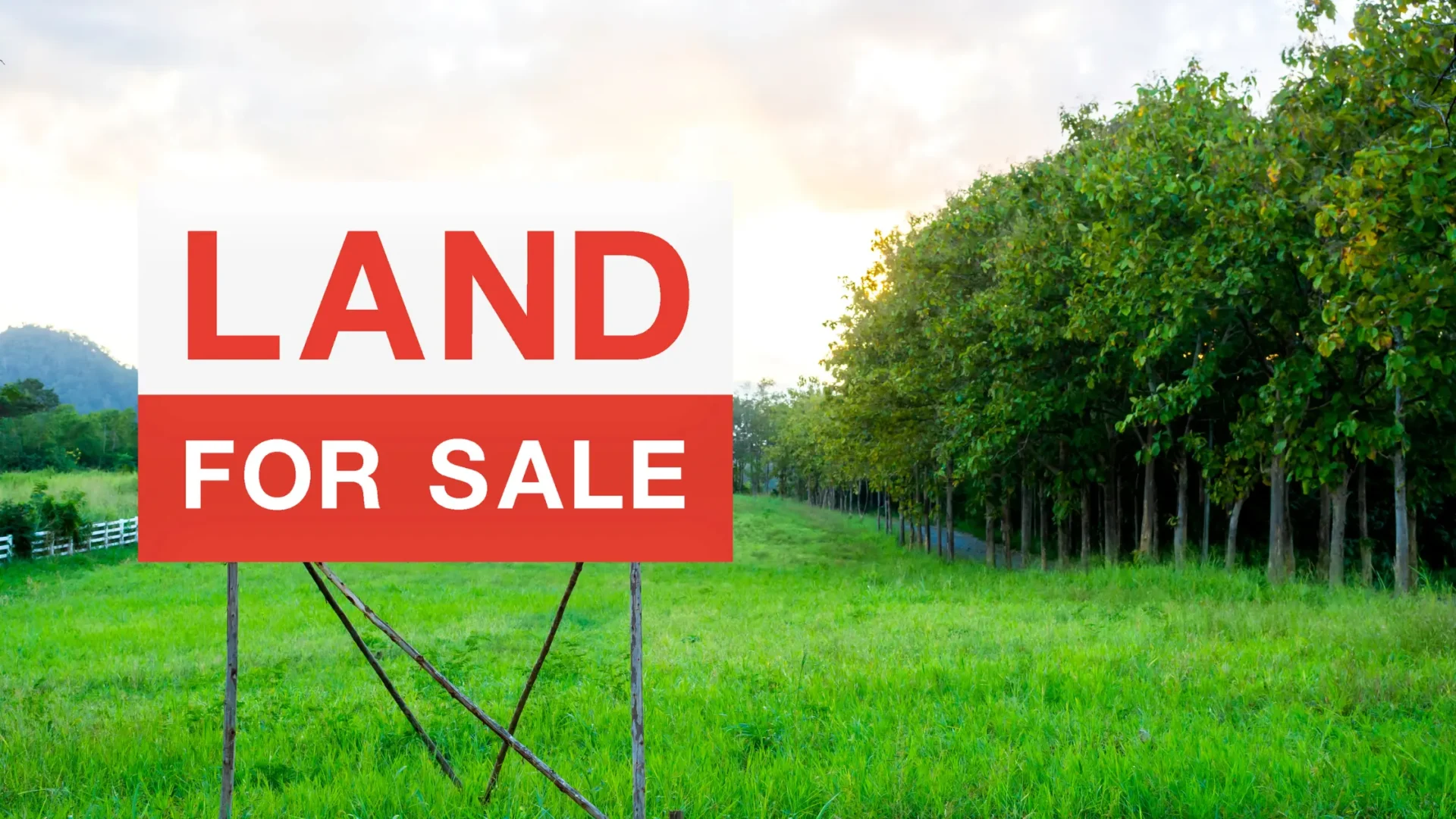
Practical, Kenya-focused step-by-step guide on how to buy land near Nairobi safely: verify title, check survey plans, avoid scams, and complete the transfer.
Owning land near Nairobi remains one of the most valuable investments Kenyan families and individuals can make. Whether you’re planning to build your dream home, secure generational wealth, or invest for future returns, purchasing land in Nairobi’s satellite towns offers immense potential. However, with opportunity comes risk—land fraud, fake title deeds, and double-selling scams have cost buyers millions of shillings and years of legal battles.
According to the Ministry of Lands, over 10% of title deeds in circulation may be fraudulent. This alarming statistic underscores why proper verification isn’t optional—it’s essential. From Kitengela to Juja, Thika to Ngong, knowing how to safely navigate the land-buying process will protect your investment and give you peace of mind.
This comprehensive guide walks you through every step of buying land near Nairobi safely—from preliminary research and title verification to payment methods and post-purchase registration. Let’s ensure your land investment is secure, legal, and profitable.
TL;DR (Quick Summary)
Buying land near Nairobi can be safe if you follow a clear verification process: confirm the title deed at the Lands Registry or via Ardhisasa (KSh 500), inspect the physical parcel and survey plan, verify ownership and encumbrances, get a registered conveyancer to draft the sale agreement, and use secure payment methods like bank transfers or escrow. Use this checklist to avoid common land scams including fake title deeds, double-selling, and ghost plots.
Before diving into details, here’s your essential action checklist:
Land fraud in Kenya is not just common—it’s sophisticated. Understanding the typical scams helps you recognize red flags before you lose money.

Forged Title Deeds: Fraudsters create convincing counterfeit title deeds complete with fake stamps, watermarks, and signatures. These documents often lack security features like microtext or have spelling errors (e.g., “Registar” instead of “Registrar”).
Double-Selling: The same parcel of land is sold to multiple buyers, sometimes with complicit insiders at land registries. By the time the truth emerges, the seller has vanished with everyone’s money.
Ghost Plots: Completely fictional properties advertised with fake photos and GPS coordinates. Buyers pay deposits for land that doesn’t exist or is government-owned.
Fake Agents: Unregistered middlemen with professional-looking websites and offices who disappear after receiving deposits. Always verify agents are licensed by the Estate Agents Registration Board.
Illegal Subdivisions: Land sold without proper subdivision approval. Buyers end up owning nothing, and county governments can demolish any structures built.
In 2024, a buyer in Kiambu lost KSh 3 million to a fake title deed with an altered parcel number. In Murang’a, another buyer lost KSh 1.5 million by skipping manual verification. In 2025, the Loresho land scam involving KSh 1.19 billion exposed duplicate titles issued by the Ministry of Lands itself—highlighting how even official processes can be compromised.
These aren’t isolated incidents. Every week, Kenyans lose life savings to land fraud. The good news? Every single case could have been prevented with proper due diligence.
Nairobi’s satellite towns offer diverse options for every budget and purpose. Here are the top corridors for 2026:
Kitengela (Kajiado County): 37km south of Nairobi CBD. Growing hub with schools, hospitals, and malls. 1/8 acre plots: KSh 800,000 – KSh 2.5 million. Ideal for families and gated communities.
Juja (Kiambu County): 30km from CBD via Thika Superhighway. Home to JKUAT, strong rental demand. 1/8 acre plots: KSh 500,000 – KSh 2.2 million. Perfect for student housing or family homes.
Thika (Kiambu County): 45km from CBD. Industrial town with major factories. Fertile, flat land. 1/8 acre plots: KSh 700,000 – KSh 1.8 million. Great for industrial workforce housing.
Ngong (Kajiado County): 30km west of CBD near Karen. Scenic views of Ngong Hills. 1/8 acre plots: KSh 750,000 – KSh 2 million. SGR station boosts connectivity.
Ruiru & Kamakis (Kiambu County): Close to Eastern Bypass. Major projects like Tatu City nearby. 1/8 acre plots: KSh 1 million – KSh 3 million. Rapid price appreciation expected.
Kangundo Road (Machakos County): 40km from CBD. Planned road extensions. 1/8 acre plots: KSh 550,000 – KSh 1.5 million. High growth potential before infrastructure completion.
Calculate your total budget by including:

Start your search on trusted platforms like SokoMix, where you can browse verified land listings near Nairobi. Look for listings with clear information: exact location, plot size, title status (freehold or leasehold), and asking price. Contact sellers directly through the platform and ask for the title deed number before scheduling site visits.
You can also work with licensed estate agents, but always verify their credentials with the Estate Agents Registration Board. Be wary of agents who rush you, demand cash, or refuse to provide documentation.
Before committing, verify the land’s zoning status with the county government. Check if:
County governments publish spatial plans online. For example, check Kiambu County, Kajiado County, or Machakos County websites for official planning documents.
This is the most critical step. More buyers lose money from skipping title verification than any other mistake. Follow these substeps carefully.
Before you pay a single shilling, demand:
If the seller refuses to provide any of these documents, walk away immediately. It’s a red flag for fraud.
Kenya has digitized land records through the Ardhisasa platform, making verification faster and more secure. Here’s how:
Online Verification via Ardhisasa (Preferred):
Ardhisasa covers most counties including Nairobi, Kiambu, Kajiado, and Machakos. Results are instant.
Manual Verification (if Ardhisasa unavailable):
The report confirms ownership and reveals any hidden issues like mortgages, succession disputes, or pending litigation.
The survey plan is your blueprint. It shows:
During your site visit, bring the survey plan and physically confirm:
Hiring a licensed surveyor costs KSh 30,000-KSh 80,000 but prevents boundary disputes that can cost millions in court.
Watch for these warning signs:
In 2024, the Ministry of Lands reported that 30% of fake title deeds lacked proper watermarks. Don’t skip this check.
Never buy land without visiting it physically. Bring:
Check for:
Visit at different times—weekday vs. weekend, morning vs. evening—to assess traffic, noise, and activity levels.
Neighbors know the area’s history. Ask:
Visit the local chief’s office (for rural areas) or county land office (for urban) to confirm there are no pending disputes. Chiefs often know about informal claims or family inheritance issues not yet in official records.
Ensure the land is not:
Check the National Environment Management Authority (NEMA) for environmental compliance. Building on restricted land can result in demolition orders.

A conveyancer (property lawyer) is essential for legal transfers. They:
Never attempt conveyancing yourself—one mistake can cost years of legal battles.
Ask potential conveyancers:
Get quotes from at least three conveyancers. Avoid anyone who promises shortcuts or guarantees fast registration—this is a red flag for cutting corners.
Your conveyancer will prepare:
Never sign documents you don’t understand. Insist your conveyancer explains every clause.
Never pay cash. Always use traceable payment methods:
Scammers prefer cash because it’s untraceable. If a seller insists on cash only, walk away.
Typical payment structure:
Always get official receipts for every payment. Receipts should include:
If the seller uses a Power of Attorney (POA), exercise extreme caution. POAs are often abused in land fraud. Verify:
Best practice: Insist on meeting the actual title holder before final payment. Many scams involve fake or expired POAs.
After full payment, your conveyancer will:
Registration is complete only when you physically hold the new title deed. Keep the original in a fireproof safe or bank safety deposit box.
Stamp duty is mandatory. Here’s how it works:
Example: Buying land valued at KSh 2 million in Kitengela (urban):
Stamp duty = KSh 2,000,000 × 4% = KSh 80,000
Your conveyancer handles stamp duty payment via KRA iTax. Obtain rates clearance from county treasury showing all land rates are current.
Once you have the title deed:
Visit the property regularly to monitor for squatters or illegal activity, especially if leaving it undeveloped.
Understanding all costs upfront prevents budget surprises. Here’s a breakdown for a typical land purchase near Nairobi:
| Item | Typical Cost (KSh) | Notes |
| Land search (Ardhisasa) | 500 – 1,000 | Per search, instant online |
| Conveyancer fees | 50,000 – 150,000 | 1-2% of property value |
| Stamp duty (urban) | 4% of market value | Gazetted towns: Kitengela, Juja, Ngong |
| Stamp duty (rural) | 2% of market value | Non-gazetted areas |
| Registration fees | 500 – 2,000 | Lands Registry processing |
| Surveyor fees | 30,000 – 80,000 | Boundary verification, beacon placement |
| Rates clearance | Varies by county | Based on outstanding rates |
| Land Control Board consent | 3,000 – 10,000 | Rural/agricultural land only |
Timeline for completing land purchase:
Trust your instincts. Walk away immediately if:
Your money is safer in your account than in a fraudster’s pocket. No legitimate seller will refuse proper verification.
Equip yourself with these essential tools:
Browse verified land listings near Nairobi on SokoMix. Filter by location, price, and size. Contact sellers directly and schedule site visits. You can also list your own property for free once your purchase is complete.
SokoMix connects buyers and sellers with transparent, easy-to-use classifieds for land, houses, and commercial properties across Kenya.
Buying land near Nairobi safely isn’t complicated—it just requires discipline, patience, and proper verification. By following this step-by-step guide, you protect yourself from fraud, legal disputes, and financial loss.
Remember the key principles:
Your next steps:
Land ownership is within reach. With the right knowledge and professionals supporting you, your dream property near Nairobi is just a few verified steps away.
Ready to start? Visit SokoMix today to explore verified land listings, or contact a registered conveyancer to discuss your specific needs. Your safe land purchase journey begins now.
Request the original title deed from the seller, conduct a Certificate of Search via Ardhisasa (KSh 500) or at the county Lands Registry, verify the title number and registered owner match the seller’s ID, and ask your conveyancer to confirm authenticity. Check for security features like watermarks, official seals, and correct spelling.
A Certificate of Search is a legal search report from the Lands Registry showing the current registered owner, land size, any charges, caveats, or court orders, and whether the title is free from encumbrances. It confirms the land’s legal status and ownership history.
Yes, but exercise extreme caution. Only accept a POA executed by the registered owner and verified by a lawyer. Insist on copies of the owner’s ID, the original title deed, and a witnessed, certified POA. Confirm the POA specifically authorizes land sales. Best practice: meet the actual title holder before final payment.
Timelines vary based on document completeness and Land Registry workload. Expect registration and issuance of a new title deed in 2-8 weeks after lodging transfer documents. Delays are common due to backlogs. Follow up regularly with your conveyancer.
Yes, absolutely. A licensed surveyor confirms boundaries, verifies the plot against the registered survey plan, checks for encroachments, and ensures beacons are correctly placed. For large or irregular parcels, a survey is essential. Surveyor fees (KSh 30,000-80,000) prevent costly boundary disputes.
Budget for: stamp duty (4% urban, 2% rural of property value), conveyancer fees (KSh 50,000-150,000), registration fees (KSh 500-2,000), surveyor fees (KSh 30,000-80,000), land search (KSh 500-1,000), and Land Control Board consent (KSh 3,000-10,000 for rural land). Exact amounts vary by county and land value.
Always verify the title with Ardhisasa or the Land Registry, obtain rates clearance, confirm the unique title number matches official records, check for multiple ownership claims or pending transactions, use a conveyancer to handle all transfer documents, and never pay cash—use bank transfers or escrow.
Absolutely. A physical site visit confirms access roads, boundaries, water and electricity availability, reveals neighbor disputes, checks for encroachments or illegal structures, and verifies the land actually exists. Many scams involve ghost plots that don’t exist. Never buy land sight unseen.
The seller must provide: original Title Deed (not photocopy), national ID and KRA PIN Certificate matching the title deed, Rates Clearance Certificate, survey plan with boundaries and beacons, green card or white card showing transaction history, and Power of Attorney (if applicable) certified by a lawyer.
Yes, if the seller agrees and you have a written, lawyer-drafted installment agreement. The agreement should specify clear payment schedule, transfer conditions (when title transfers to buyer), consequences of default, and include receipts for each payment. Use a conveyancer to draft the agreement and never make installment payments without written protection.